


Imagine a hospital ward that eases anxiety, a resort suite that restores circadian rhythm, a home that shields you from toxins, or a workplace that senses burnout before you do. This is the promise of AI-driven healing architecture. It is creating spaces that are no longer passive, but sentient. As we continue to spend 90% of our lives indoors, our environments now function as silent caregivers, shaping stress, immunity, sleep, and even productivity. The age of smart buildings is giving way to spaces that actively heal us.
Healing by Design: Hospitals and Resorts as Medicine

Design in dwelling spaces has permeated our biology beyond its aesthetic value. Studies show patients in naturally lit hospital rooms used 22% less pain medication, while those in poorly designed accommodations experienced delayed recovery. Green-certified resorts and clinics improve cognitive function by 26%, and psychiatric spaces redesigned with calming layouts cut restraints by 50%.
From Bumrungrad’s luxury recovery suites in Bangkok to Khoo Teck Puat Hospital’s rainforest-inspired design in Singapore, architecture itself is becoming the first prescription.
Dive deeper: Biophilic Design in Wellness Tourism
Biophilia Meets AI: Nature as Co-Therapist Everywhere
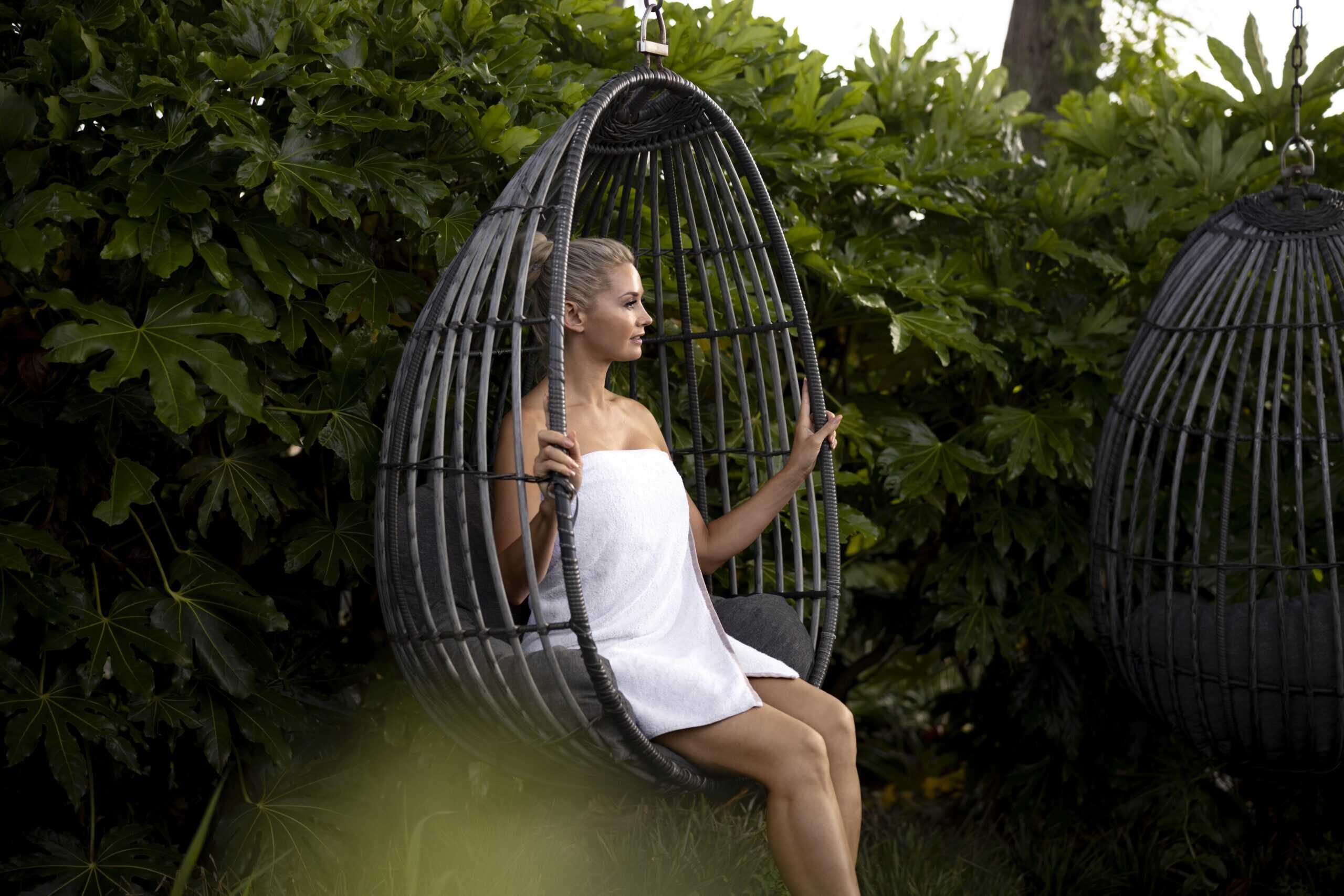
Nature heals, but AI makes it responsive. Viewing greenery reduces stress within five minutes, and patients with nature views recovered 30% faster than those without. In workplaces, exposure to natural light improved cognitive scores by 61%.
Now imagine AI-curated environments: homes where circadian lighting shifts with your sleep cycles, offices where soundscapes adapt to reduce fatigue, or resorts where forest visuals sync with your heart rate. AI isn’t replacing nature but amplifying biophilia into a real-time therapeutic companion.
Read: Neurodesign Revolution with AI
Homes That Heal While You Rest
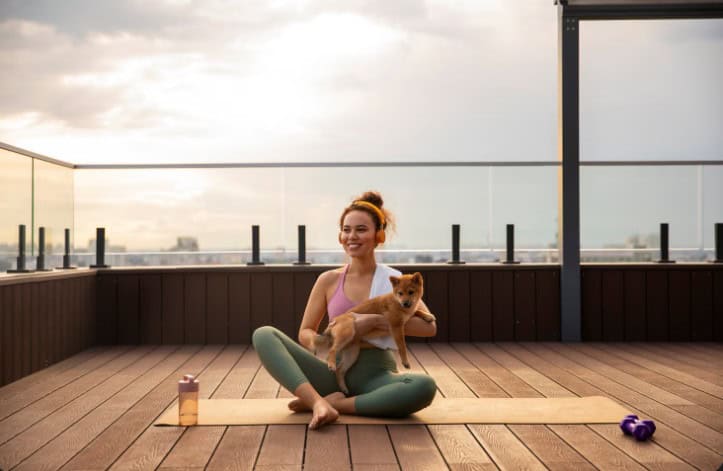
Your bedroom may be the most powerful clinic you own. Indoor air can be up to five times more polluted than outdoor air, directly harming sleep and immunity. Research shows circadian lighting improves emotional recovery in hospitals, and lavender aromatherapy increases patient sleep duration. So, why not in homes?
Future-ready homes integrate:
- Air-purification walls and ceilings to filter pollutants.
- EMF-reduction zones that improve deep sleep.
- Smart pods offering meditation or breathwork on demand.
No wonder 73% of homebuyers now prioritize wellness features like circadian lighting, purified air, and meditation spaces. The home is no longer a shelter but a preventive health sanctuary.
Learn more: Wellness Real Estate and Homes
AI Wellness Real Estate: Adaptive Spaces for Everyday Healing
The wellness real estate market reached $584 billion in 2024 and is forecast to double to $1.1 trillion by 2029, outpacing traditional construction (GWI). AI is already being applied in real estate to make indoor environments adaptive and personalized, with measurable gains in sleep, stress, cognition, and comfort.
- AI circadian lighting: Philips/Signify’s HealWell system improved patient sleep by ~30 minutes by day five in a Maastricht trial, with 5.9 minutes cumulative gain per hospitalization day.
- Smart glazing: Electrochromic windows improved sleep by 16 minutes/night and reduced stress by 11% in peer-reviewed studies; workplaces with them saw 63% fewer headaches.
- AI HVAC & IAQ: Machine learning platforms optimize air quality and humidity, improving comfort by up to 60% while lowering energy use.
- Wellness intelligence platforms: Delos’ DARWIN system coordinates air, water, light, and comfort—scaling wellness design from luxury homes to mass housing.
- Digital twins: Data-driven building replicas combine CO₂ sensors and occupancy analytics to predict ventilation needs, creating proactive health-aware spaces.
The shift is clear: wellness architecture is no longer about static structures, but dynamic ecosystems that continuously learn and heal.
Read: Dr Prem’s Insights into Wellness Real Estate Trends
Predictive Hospitality: Comfort Without Asking
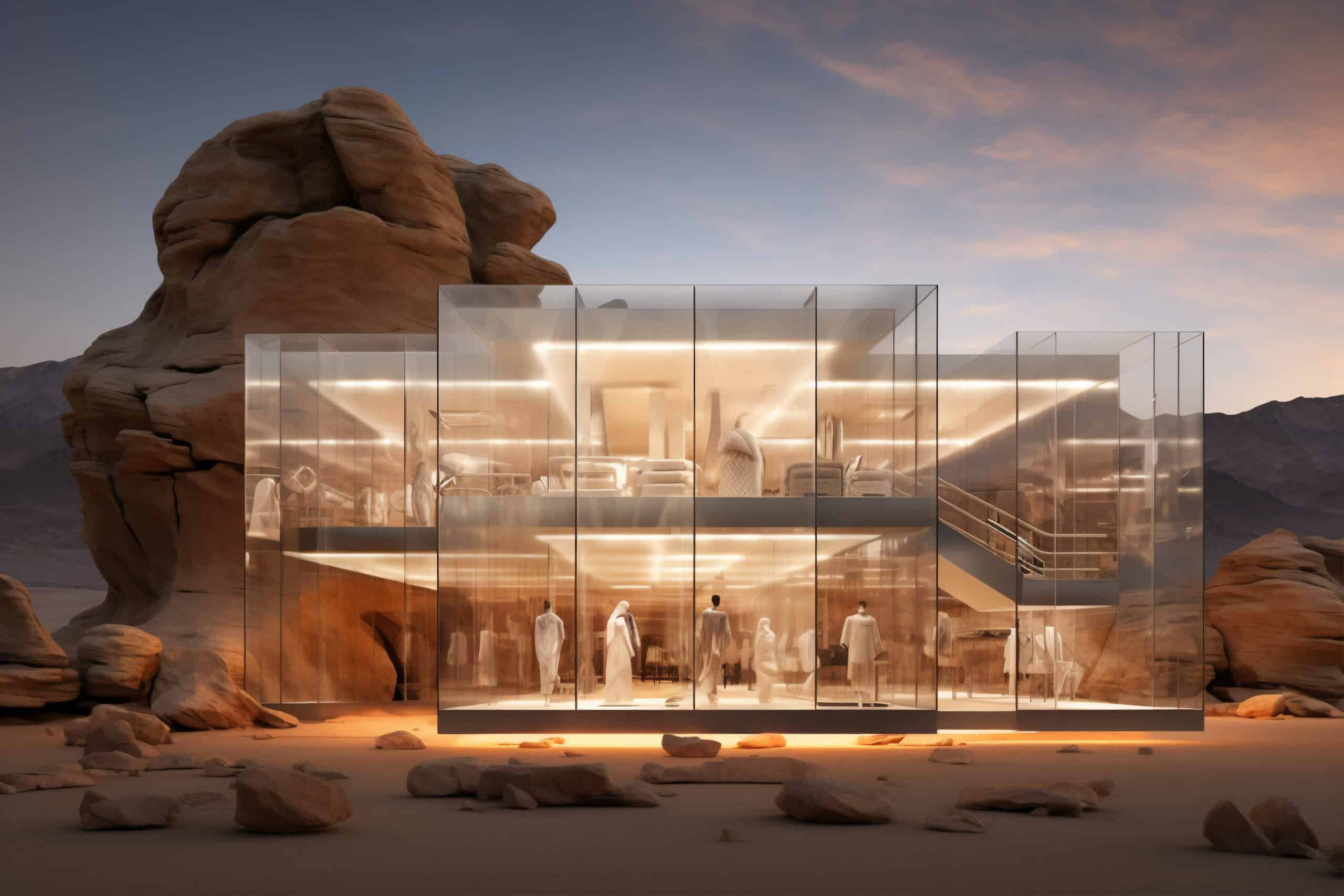
In hospitals, resorts, or even hotels, patients and guests often wait until discomfort escalates to press a call button. Predictive AI ends this delay. By reading micro-signals like facial strain, restlessness, silence, or any unusual discomfort, rooms adapt proactively.
- Philips’ Ambient Experience Rooms reduce patient anxiety via responsive light and sound.
- Conversational AI boosted patient clarity and satisfaction across 926 clinical sessions, with 81% opting in.
In resorts, predictive hospitality might mean hydration reminders; in offices, it could be air ventilation adjustments; in homes, it may lower temperature when stress is detected. Healing becomes anticipatory, not reactive.
Climate-Positive Healing: Spaces That Heal the Earth Too

Healing design must also extend to the planet. The built environment contributes 39% of global carbon emissions. Solutions are emerging:
- Net-zero clinics cut emissions by 60–90%.
- Solar spas reduce energy use by 70%
- Green roofs lower urban heat by up to 11°C.
At Vana Retreat, India, minimalist design rooms and rain-fed pools merge Ayurvedic healing with ecological regeneration. Homes with eco-materials like wood and stone significantly reduce nervous system activity. Offices with green walls improve staff productivity by 15%. Healing and sustainability now share the same blueprint.
Explore: Wellness Tourism Growth Trends
Smart Workspaces That Care for the Brain
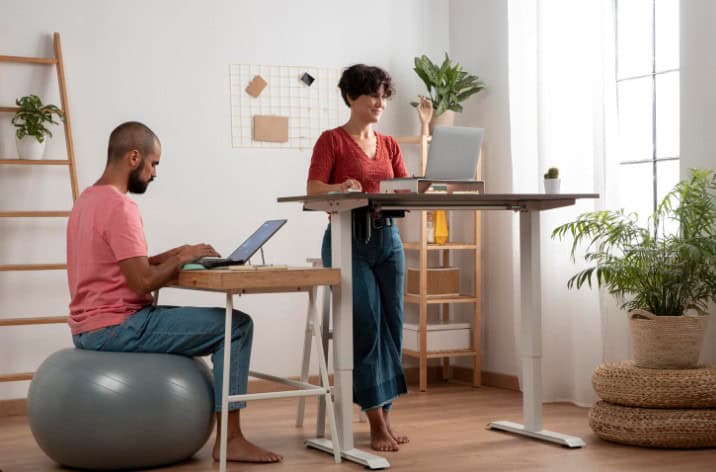
Burnout is not only caused by workload; the architectural setting could be a contributing factor. Three-fourths of workers report poor office design harms mental health. Attention-restoration zones cut fatigue by 40%, while biometric ventilation improves focus by 32%.
Examples include:
- Microsoft’s Treehouse Offices in Redmond, designed in actual trees for fresh air and acoustic calm.
- The Edge in Amsterdam, where biometric sensors adjust lighting and air quality per employee.
Think of tomorrow’s office not just as a workplace but a cognitive wellness spa, designed to fuel focus, reduce anxiety, and extend healthy careers.
Related: Wellness Workspaces Insights
Join Dr. Prem’s Global Vision for Healing Spaces
From hospital wards to resort suites, from home sanctuaries to workspaces, the next decade belongs to AI-driven healing architecture. These spaces anticipate our needs, regulate our biology, and align with planetary ethics. They heal us while we live, work, and sleep.
With 25+ years of wellness consultancy across 78 countries and insights from top 100 global wellness resorts, Dr Prem has witnessed how intentional design transforms experiences into therapies. Whether you are creating a wellness home, a corporate healing office, or a global medical tourism hub, the time to embrace sentient spaces is now.
Let’s co-create future-ready sanctuaries where walls care, rooms respond, and architecture becomes medicine. Connect with him today!