#1 Global Wellness Resort Consultant - From Planning, Design, Marketing to Profitable Operations
Strategy, Design Guidance, Wellness Programs, Marketing, Operations, and Growth
Global leader ins
wellness resort consulting with 25+ years of experience and clients across 80 countries. Dr Prem delivers end-to-end guidance covering planning, design advisory, wellness program architecture, marketing, operations, and revenue models for luxury, premium, and nature-led wellness resorts worldwide
25+ Years Global Experience
Clients and Projects Across 80 Countries
Award-Winning Wellness and Tourism Expert
Luxury, Premium, and Vernacular Wellness Expertise
Strategy-Led Branding, Marketing, and AI Systems
Investment, Revenue, and Long-Term Growth Advisory
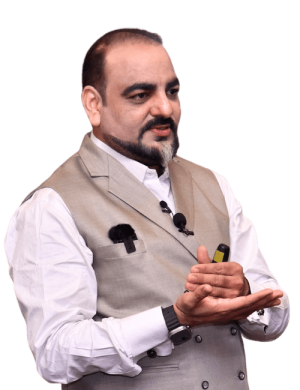
Dr Prem Wellness Resort Consultant is a globally recognized advisory practice specializing in wellness resort planning, strategy, marketing, and development. Led by Times Award–winning wellness expert Dr Prem Jagyasi, the consultancy brings over 25 years of experience advising wellness and luxury resort projects across 80 countries.
Dr Prem is known internationally for delivering results-driven consulting that helps wellness resorts achieve stronger positioning, higher guest engagement, and sustainable profitability. His work spans luxury wellness resorts, premium lifestyle retreats, nature-led and vernacular destinations, and medical wellness projects across diverse markets.
Each engagement is highly customized, drawing on global best practices, regional market insight, and real-world execution experience. The focus remains on building wellness resorts that perform consistently, attract the right guests, and create long-term value for owners and investors.
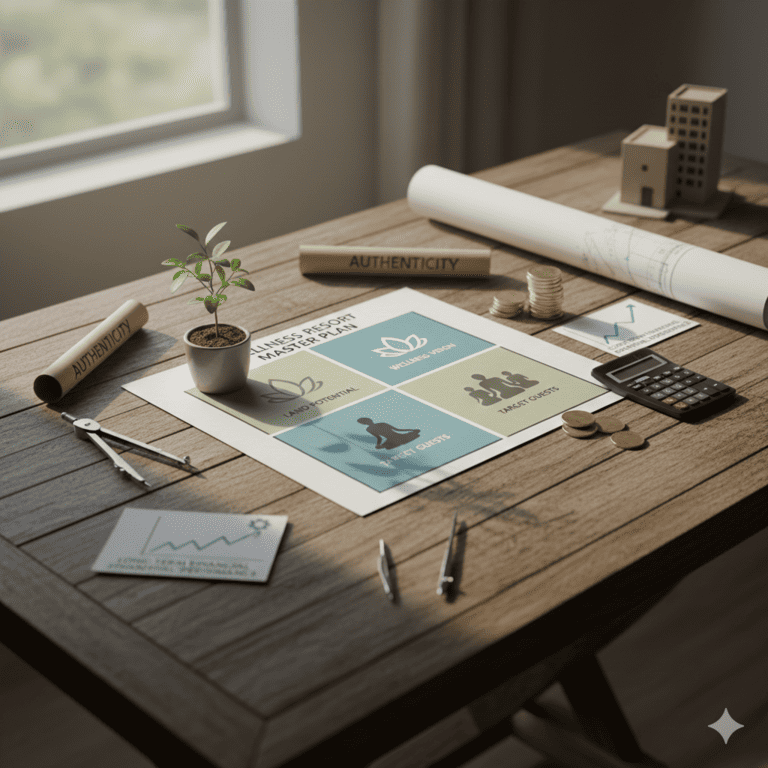
A successful wellness resort starts with a clear development strategy, not with design or construction. This block focuses on planning wellness resorts from the ground up by aligning land potential, wellness vision, target guests, and commercial viability. The approach works across luxury, premium, humble, and vernacular wellness resorts, ensuring authenticity, operational feasibility, and long-term financial performance.
The objective is to reduce risk early, avoid overinvestment, and build wellness resorts that perform consistently rather than relying on seasonal demand.
Key Focus Areas
Wellness resorts achieve 5–14 night stays versus 2–3 nights in leisure hospitality
Land selection is one of the most critical decisions in wellness resort development. Scenic land alone does not guarantee commercial success. This block evaluates land through wellness suitability, access, regulatory feasibility, environmental factors, and long-term financial viability.
The approach applies equally to luxury destinations, rural wellness retreats, nature-based resorts, and vernacular wellness projects, ensuring land decisions support wellness programs, guest flow, and sustainable returns.
A wellness resort without a clear philosophy becomes a generic hospitality asset. This block defines the core wellness purpose that shapes programs, architecture, staffing, guest experience, and brand perception:
Whether the resort is ultra-luxury, premium lifestyle-driven, or humble and vernacular in nature, a strong wellness philosophy ensures differentiation, emotional connection, and long-term brand value:
Wellness brands with clear philosophy command 15–35 percent higher pricing power
Resorts without philosophy drift into generic spa offerings within 24–36 months
Aligns Ayurveda, naturopathy, lifestyle, or medical wellness coherently
Guides program design, guest journey, and service culture consistently
Builds long-term trust and repeat guest behavior beyond first-time visits
Wellness Resort Design Guidance and Spatial Planning
Wellness resort design is not about aesthetics alone. It is about how space supports healing, privacy, guest flow, staff efficiency, and long-term operations. This block provides strategic design guidance to ensure wellness spaces function as intended, regardless of whether the resort is luxury-led, premium lifestyle-oriented, or humble and vernacular in nature
The role here is advisory, ensuring that design decisions support wellness programs, operational reality,
and guest experience before they become expensive mistakes
Poor spatial planning reduces wellness facility utilization by 20–35 percent
Wellness zoning improves guest privacy, flow, and therapy effectiveness
Aligns treatment rooms, wet areas, movement spaces, and recovery zones
Supports luxury, nature-led, and vernacular architectural expressions
Prevents redesign costs caused by functional errors discovered post-construction
Wellness Equipment Planning and Vendor Guidance
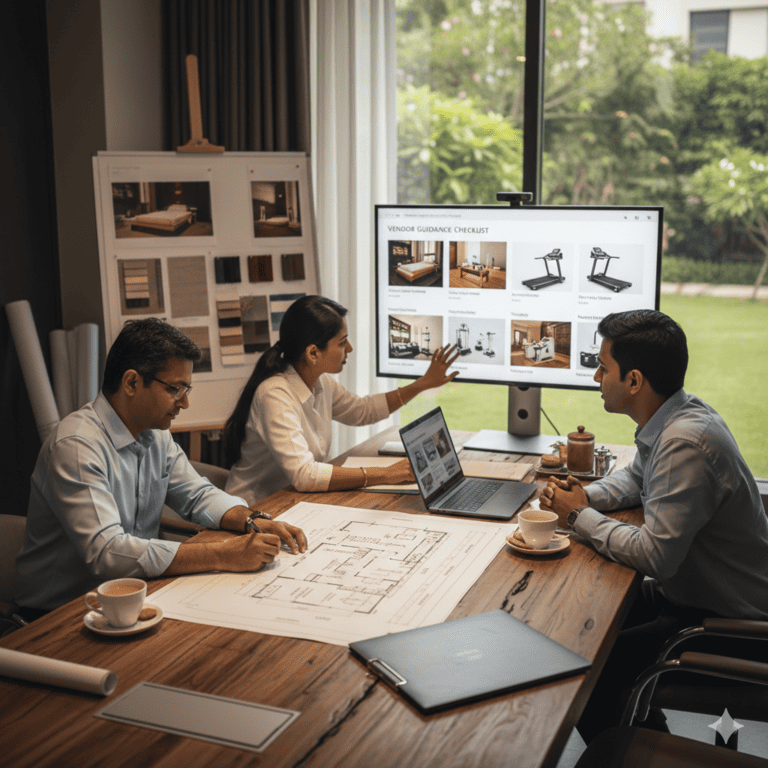
Wellness equipment decisions directly impact guest safety, treatment outcomes, staff productivity, and maintenance costs. This block guides wellness equipment planning by aligning equipment choices with the wellness philosophy, program design, and operational capacity of the resort
The focus is to avoid overinvestment, inappropriate imports, and equipment-led planning that does not match real program demand
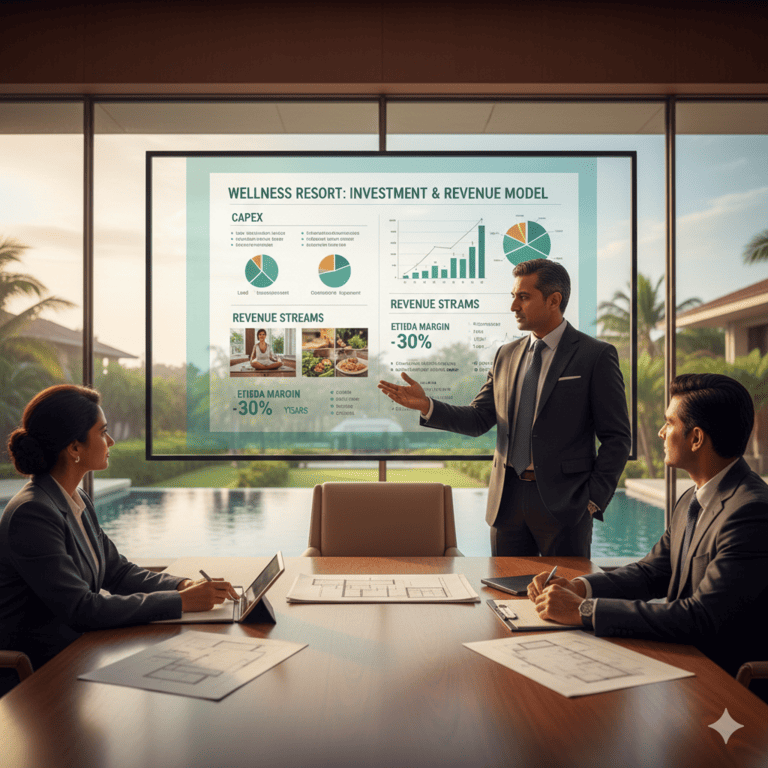
Wellness Resort Investment and Revenue Model Planning
A wellness resort must be financially viable, not just conceptually appealing. This block focuses on structuring realistic investment models, revenue mix, and pricing logic aligned with wellness-led hospitality rather than conventional hotel economics
The objective is to help owners and investors understand where money is made, how returns are generated, and how risk can be managed over the project lifecycle
Wellness Resort Marketing, Demand Generation, and AI Systems
Wellness resorts require a different marketing approach than leisure hotels. Demand is driven by trust, authority, outcomes, and program clarity, not discounts or OTAs. This block focuses on building a sustainable demand engine using content, partnerships, reputation, and AI-led systems.
The objective is to reduce dependency on paid marketing while improving enquiry quality, conversion rates, and long-term brand equity
Key Focus Areas
Wellness brands using authority-led marketing reduce CAC by 25–45 percent
OTA-heavy models cap margins and weaken brand positioning long term
AI-led funnels improve qualified wellness enquiries by 2–5x
Builds trust-driven demand across luxury, premium, and vernacular resorts
Prevents discount-led positioning that damages perceived wellness value
Wellness retail is a powerful but often overlooked revenue stream. When planned correctly, retail enhances the guest experience while contributing meaningful incremental revenue without heavy operational complexity
This block focuses on curating wellness retail aligned with programs, therapies, and guest outcomes, avoiding random product stocking that leads to slow-moving inventory and cash flow pressure
Wellness Resort Technology and Performance Systems
Technology in wellness resorts should support performance, not add complexity. This block focuses on selecting and implementing technology systems that improve guest experience, sales efficiency, operational control, and performance tracking
The emphasis is on practical, scalable systems suited to wellness operations rather than generic hotel software retrofitted for wellness use.
Key Focus Areas
Integrated CRM improves enquiry-to-booking conversion by 15–35 percent
Fragmented systems increase staff workload and data leakage
Tracks wellness KPIs such as attach rate, program yield, and repeat visits
Enables personalization without compromising guest privacy
Prevents overinvestment in unused or poorly integrated technology
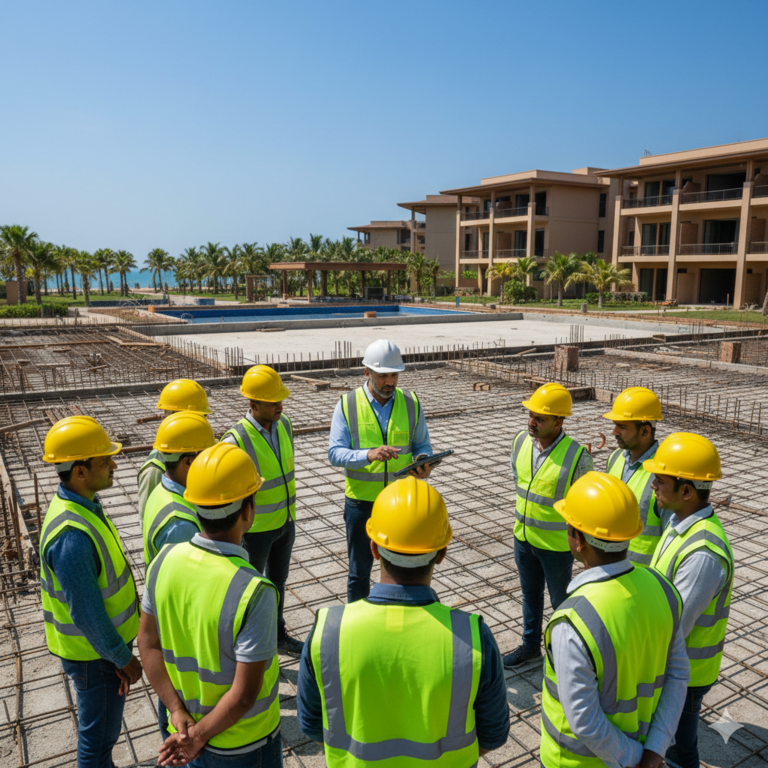
Wellness resort projects often fail not due to poor ideas, but due to weak coordination between consultants, designers, contractors, and operators. This block provides strategic oversight during execution to ensure the wellness vision, functionality, and commercial logic are not diluted on the ground
The role is not to replace project managers, but to safeguard wellness intent, operational practicality, and long-term performance during execution
Key Focus Areas
Poor coordination causes 20–30 percent cost overruns in hospitality projects
Ensures wellness design intent is preserved during construction stages
Aligns architects, MEP, interiors, and wellness operators early
Flags execution risks before they become expensive corrections
Reduces post-opening operational compromises and inefficiencies
Wellness Resort Operations and Facility Management
A wellness resort’s success depends on how well it operates daily, not how well it looks on opening day. This block focuses on structuring wellness resort operations and facility management to ensure consistency, efficiency, and guest satisfaction
The approach works across luxury wellness resorts, premium lifestyle retreats, and humble or vernacular wellness properties with lean teams and limited resources
Wellness resorts are ultimately delivered by people, not plans or facilities. This block focuses on training teams to deliver wellness experiences consistently while maintaining operational discipline and guest-centric service
Training is customized for wellness therapists, hospitality staff, supervisors, and leadership, ensuring alignment with the resort’s wellness philosophy and service standards.
Key Focus Areas
Poor training increases staff attrition by 20–35 percent annually
Structured SOPs improve service consistency and guest satisfaction
Builds wellness literacy across hospitality and support teams
Supports luxury service delivery and humble, heart-led hospitality equally
Existing Resort or Hotel? Explore Wellnessification
Not all wellness projects start from vacant land. For owners of existing resorts, hotels, or retreat properties, Wellnessification offers a structured approach to convert leisure or underperforming assets into profitable wellness destinations
This approach focuses on phased development, capex control, and faster stabilization without disrupting existing cash flow
Key Focus Areas
Conversion models reduce capex by 20–45 percent versus new builds
Phased wellness integration allows continued resort operations
Improves ADR, length of stay, and wellness revenue share
Wellness resorts do not compete only on facilities. They compete on perception, trust, and relevance to the right audience. This block defines how the wellness resort is positioned in the market, ensuring it stands out clearly whether it is a luxury wellness destination, a premium lifestyle retreat, or a humble vernacular wellness resort rooted in nature
Strong positioning ensures the resort attracts the right guests, commands better pricing, and avoids discount-driven competition
Key Focus Areas
Clear wellness positioning improves booking conversion rates by 20–40 percent
Poor positioning forces resorts into price wars within first 18–24 months
Aligns brand promise with actual wellness experience delivered on-site
Differentiates luxury, premium, and vernacular wellness models clearly
Prevents mixed messaging that confuses guests and weakens trust
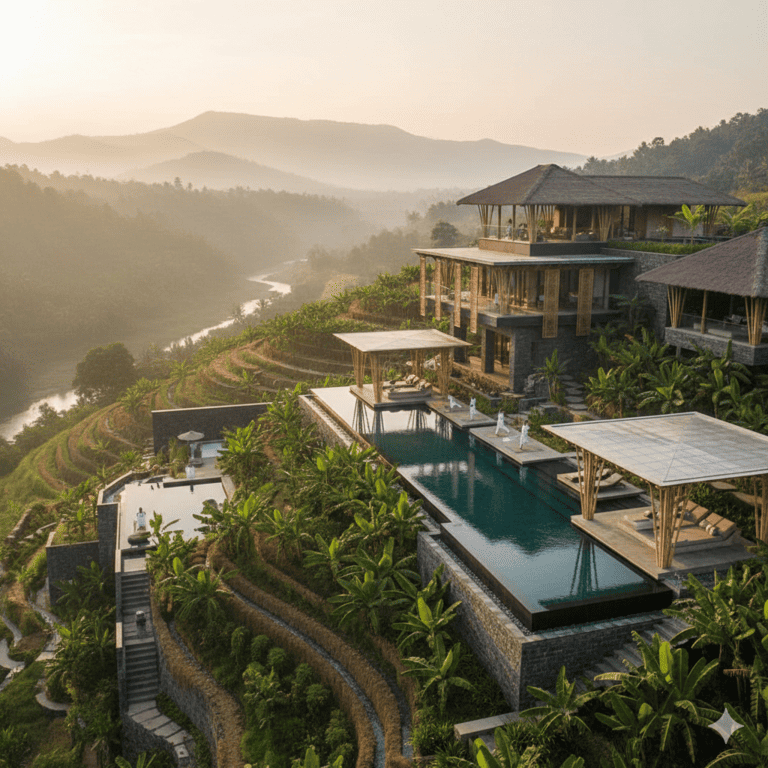
A wellness resort concept goes beyond architecture or theme. It integrates land, wellness philosophy, guest flow, programs, and commercial logic into one coherent experience. This block focuses on shaping the overall wellness resort concept and master plan before design and construction decisions are finalized
The goal is to create a wellness resort that feels intuitive to guests, operationally efficient for teams, and financially sustainable for owners
Signature Wellness Programs and Retreat Architecture
Wellness resorts generate real value through structured programs, not standalone treatments. This block focuses on designing signature wellness programs and retreat formats that define the guest journey and drive both outcomes and revenue
Programs are designed to suit luxury wellness guests, lifestyle seekers, medical wellness clients, and participants seeking authentic, humble wellness experiences rooted in tradition
What is a wellness resort consultant and why do I need one?
A wellness resort consultant helps you plan, design, and operate a wellness-focused hospitality project profitably. Unlike general hotel consultants, they align wellness philosophy, programs, guest experience, and revenue models to ensure long-term success.
How is a wellness resort different from a normal hotel or resort?
A wellness resort focuses on structured wellness programs, longer guest stays, and transformation-based experiences, while traditional hotels focus mainly on accommodation and leisure. Wellness resorts typically achieve 5–14 night stays versus 2–3 nights in standard hospitality.
What services does a wellness resort consultant provide?
Services include land feasibility, concept development, wellness program design, investment planning, marketing strategy, operations setup, and staff training—covering the entire lifecycle from idea to profitability.
When should I hire a wellness resort consultant?
You should hire a consultant at the planning stage, before design or construction begins. Early strategy helps reduce risk, avoid overinvestment, and ensure your project is commercially viable.
How profitable is a wellness resort business?
Wellness resorts can generate 25–45% additional revenue beyond room income through programs, therapies, and retail. However, profitability depends heavily on strategy, positioning, and execution.
What are the biggest mistakes in wellness resort development?
Common mistakes include poor land selection, lack of clear wellness philosophy, weak revenue planning, and design-led decisions without strategy. Over 60% of underperforming resorts fail due to weak early planning.
How do I choose the right land for a wellness resort?
The right land must be evaluated for accessibility, wellness suitability, regulatory feasibility, environmental factors, and ROI potential—not just scenic beauty. Poor accessibility alone can reduce bookings significantly.
What is a wellness philosophy and why is it important?
A wellness philosophy defines the core purpose of your resort (e.g., Ayurveda, lifestyle wellness, medical wellness). It ensures consistency in programs, design, branding, and guest experience, and helps command higher pricing.
How are wellness programs designed in a resort?
Wellness programs are structured experiences (3, 7, 14, or 21 days) combining therapies, nutrition, activities, and lifestyle changes to deliver measurable outcomes and increase guest engagement.
Can I convert my existing hotel into a wellness resort?
Yes, through a process called Wellnessification, existing hotels or resorts can be transformed into wellness destinations with phased investment, minimal disruption, and faster ROI.
What is the role of design in a wellness resort?
Design is not just about aesthetics—it must support guest flow, privacy, healing environments, and operational efficiency. Poor design can reduce facility utilization by 20–35%.
How do wellness resorts attract guests without discounts?
Successful wellness resorts rely on trust-based marketing, authority, content, and clear program outcomes instead of discounts or OTAs, which helps maintain premium positioning.
What technology is needed in a wellness resort?
Technology should support CRM, booking systems, performance tracking, and personalization. Proper systems can improve booking conversion rates by 15–35%.
What is the investment required to build a wellness resort?
Investment varies based on location, scale, and positioning (luxury, premium, or vernacular). A proper feasibility and revenue model is essential to align capex with realistic returns.
How important is staff training in a wellness resort?
Extremely important. Wellness experiences are delivered by people, and poor training can increase staff attrition and reduce guest satisfaction. Structured SOPs ensure consistency and quality.
What makes a wellness resort successful long-term?
A successful wellness resort combines strong strategy, clear positioning, program-led experiences, operational efficiency, and consistent guest outcomes—ensuring repeat visits and sustainable growth.