Wellness Resort Concept, Design Guidance, and Wellness Program Development Consulting for Global Projects
Strategic translation of wellness vision into concept clarity, spatial logic, guest experience, and program-led revenue models
A wellness resort is not defined by architecture alone. It is defined by how concept, space, programs, and guest journeys work together to deliver outcomes, experience, and profitability. Dr Prem provides global consulting on wellness resort concept development, design guidance, and wellness program architecture to ensure strategic intent is translated into functional, market-ready execution.
With over 25 years of experience across 80 countries, Dr Prem has guided the conceptualization of luxury wellness resorts, premium lifestyle retreats, nature-led destinations, and medical wellness centers worldwide. His work focuses on aligning wellness philosophy, spatial planning, guest flow, and program design before construction decisions are locked.
This approach prevents costly redesigns, underperforming wellness facilities, and generic experiences. The objective is to engineer wellness resorts that feel intuitive to guests, efficient for teams, and commercially resilient from day one.
25+ years global wellness resort consulting experience
Concept and program strategy applied across 80 countries
Times Award–winning wellness and tourism expert
Experience across luxury, premium, and vernacular wellness models
Dr Prem Wellness Resort Consulting is a globally recognized advisory practice specializing in wellness resort planning, strategy, marketing, and development. Led by Times Award–winning wellness expert Dr Prem Jagyasi, the consultancy brings over 25 years of experience advising wellness and luxury resort projects across 80 countries.
Dr Prem is known internationally for delivering results-driven consulting that helps wellness resorts achieve stronger positioning, higher guest engagement, and sustainable profitability. His work spans luxury wellness resorts, premium lifestyle retreats, nature-led and vernacular destinations, and medical wellness projects across diverse markets.
Each engagement is highly customized, drawing on global best practices, regional market insight, and real-world execution experience. The focus remains on building wellness resorts that perform consistently, attract the right guests, and create long-term value for owners and investors.
Wellness Resort Concept Development Anchored in Land Potential, Market Demand, and Wellness Philosophy
Wellness resort concepts must be built around clarity, not inspiration alone. This block defines the core wellness concept by integrating land characteristics, target guest profiles, wellness philosophy, and commercial intent into a unified narrative. It ensures the resort concept is authentic, differentiated, and executable.
Rather than relying on borrowed themes or trends, this approach validates whether the concept can be delivered operationally and sustained commercially. Concept decisions made at this stage influence design efficiency, program uptake, staffing models, and long-term brand strength.
The outcome is a concept that is not only compelling on paper, but viable in real-world execution.
Weak concept clarity leads to guest confusion and diluted positioning
Concept-led resorts achieve higher emotional engagement and recall
Aligns land character with wellness philosophy and experience promise
Prevents theme-driven decisions that fail operationally
Creates a clear foundation for design, programs, and branding
Strategic Design Guidance and Spatial Planning for Functional, Efficient, and Guest-Centric Wellness Resorts
Design decisions in wellness resorts carry long-term operational and financial consequences. This block provides strategic design guidance to ensure spatial planning supports wellness programs, guest privacy, staff efficiency, and long-term adaptability.
The role is advisory, working alongside architects and designers to safeguard wellness functionality rather than aesthetics alone. It focuses on zoning, adjacencies, circulation, privacy gradients, and back-of-house logic specific to wellness operations.
Proper spatial planning improves utilization, reduces operational friction, and enhances guest experience without increasing capex.
Poor spatial planning reduces wellness facility utilization by 20–35 percent
Wellness zoning improves privacy, flow, and therapy effectiveness
Aligns treatment, movement, wet areas, and recovery spaces logically
Supports luxury, nature-led, and vernacular architectural approaches
Prevents redesign costs discovered after construction begins
Signature Wellness Program Architecture and Retreat Design for Engagement, Outcomes, and Revenue
We at Dr Prem and Associate ideate and execute Wellness resorts that generate differentiation and revenue through structured programs, not isolated treatments. This block focuses on designing signature wellness programs and retreat architectures that define the guest journey and commercial model.
Programs are structured around clear outcomes, length-of-stay logic, and guest transformation pathways. This includes designing modular retreats, immersion programs, and long-stay wellness journeys aligned with the resort’s positioning.
Well-designed programs improve engagement, increase length of stay, and support premium pricing without discounting.
Key Focus Areas
Program-led resorts generate 1.5x–3x higher wellness revenue per guest
Lack of structured programs reduces guest engagement and retention
Designs 3, 7, 14, and 21-day retreat architectures
Integrates Ayurveda, naturopathy, lifestyle, and medical wellness coherently
Drives repeat visits and referrals through measurable outcomes
Guest Journey Design and Experience Mapping Across Wellness, Hospitality, and Support Touchpoints
Guest experience in wellness resorts extends beyond treatments into every interaction, space, and transition. This block maps the complete guest journey from pre-arrival to post-stay, ensuring consistency, emotional resonance, and operational feasibility.
By designing experiences intentionally rather than reactively, wellness resorts reduce friction, improve satisfaction, and reinforce brand promise. This approach also ensures teams understand their role in delivering the wellness experience.
Key Focus Areas
Inconsistent guest journeys weaken perceived value and trust
Experience mapping improves guest satisfaction and review quality
Aligns front-of-house and wellness touchpoints seamlessly
Reduces service gaps caused by unclear responsibilities
Reinforces wellness promise at every stage of stay
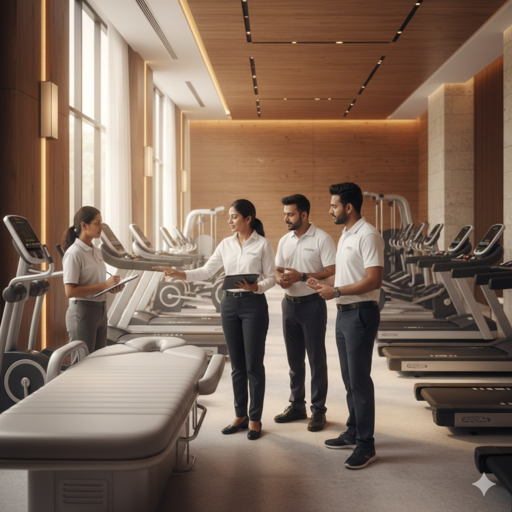
Wellness Equipment Planning and Vendor Guidance Aligned to Programs, Safety, and Cost Efficiency
Wellness equipment decisions affect safety, outcomes, maintenance costs, and operational complexity. This block guides equipment planning by aligning choices with program requirements, staff capability, and long-term cost efficiency.
The focus is to avoid overinvestment, inappropriate imports, and equipment-led planning that does not match actual usage. Equipment is evaluated based on functionality, maintenance, lifecycle cost, and regulatory compliance.
Key Focus Areas
30–40 percent of wellness equipment remains underutilized due to poor planning
Imported equipment often increases maintenance costs by 2–3 times
Matches equipment selection to actual program and therapy demand
Balances premium equipment with functional, cost-effective alternatives
Wellness resort concept development is the process of defining a clear, viable idea by aligning land potential, wellness philosophy, target guests, and commercial goals into one coherent strategy.
Why is concept important before designing a wellness resort?
A clear concept ensures the resort is not just visually appealing but also functional, market-ready, and profitable. Weak concepts often lead to guest confusion and poor positioning.
How is a wellness resort concept different from a theme?
A concept is a strategic foundation based on wellness philosophy and business viability, while a theme is often superficial and may fail operationally if not aligned with real guest needs.
What factors are considered in wellness resort concept planning?
Key factors include land characteristics, target audience, wellness philosophy, guest experience, and long-term commercial sustainability.
What is wellness resort design guidance?
Design guidance ensures that layout, zoning, and spatial planning support wellness programs, guest flow, privacy, and operational efficiency—not just aesthetics.
Why is spatial planning critical in wellness resorts?
Poor spatial planning can reduce wellness facility utilization by 20–35%, while proper zoning improves guest experience, privacy, and therapy effectiveness.
What is wellness zoning in resort design?
Wellness zoning organizes spaces like treatment rooms, movement areas, wet zones, and recovery spaces to improve flow, functionality, and guest comfort.
How do wellness programs impact resort revenue?
Program-led resorts generate 1.5x to 3x higher revenue per guest by offering structured experiences instead of standalone treatments.
What are signature wellness programs in resorts?
Signature programs are structured wellness journeys (3, 7, 14, or 21 days) designed to deliver specific outcomes, improve engagement, and increase length of stay.
How are wellness retreat programs designed?
They are built around guest transformation, combining therapies, nutrition, activities, and lifestyle changes aligned with the resort’s wellness philosophy.
What is guest journey design in a wellness resort?
Guest journey design maps every interaction—from pre-arrival to post-stay—to ensure a seamless, consistent, and emotionally engaging experience.
Why is guest experience mapping important?
It helps reduce service gaps, improve guest satisfaction, and strengthen brand perception by aligning all touchpoints with the wellness promise.
What is wellness equipment planning in resorts?
It involves selecting equipment based on program needs, safety, operational efficiency, and long-term cost, rather than unnecessary or trend-driven purchases.
What are common mistakes in wellness equipment selection?
Common issues include overinvestment, underutilization (30–40% unused equipment), and high maintenance costs from inappropriate imports.
How does proper planning prevent costly redesigns?
By aligning concept, design, and programs early, resorts avoid functional errors and expensive changes during or after construction.
What makes a wellness resort concept successful?
A successful concept is clear, differentiated, operationally feasible, and aligned with guest needs, ensuring strong engagement, efficient operations, and long-term profitability.