



Individuals may get affected with wheezing due to a number of factors. Allergies, asthma or an infection in the upper respiratory tract can be the possible reasons for the development of wheezing in individuals. Wheezing occurs in an individual when there is a constriction in the airway. This prevents sufficient amount of air from passing into the chest of the individual. There are certain herbs which are known for their abilities to treat wheezing. These herbs help in relaxing the constricted bronchial tubes and aids in the passage of adequate amount of air to the chest. Individuals therefore should have an in-depth knowledge about the herbs that they can use for treating wheezing naturally.
Ginkgo Biloba
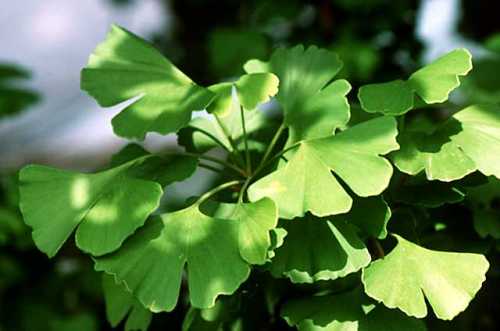
According to the Chinese traditional medicine, this herb has qualities to cure an individual from wheezing problems. The herb helps in suppressing wheezing and stimulates expectoration. It is also helpful in expelling phlegm from the bronchial tubes and throat of the individual. The herb helps in inhibiting the platelet activating factor and this affects the development of red blood cells. As a result of this, broncho-constriction which is so common among patients with asthma can also be treated effectively with the use of this herb. Clinical tests conducted on rats have shown signs of promise in humans. It has been found that the herb is useful not only in preventing wheezing but also in treating asthma and anaphylaxis. Nausea, diarrhea and headache are some of the side effects associated with this herb.
Feverfew
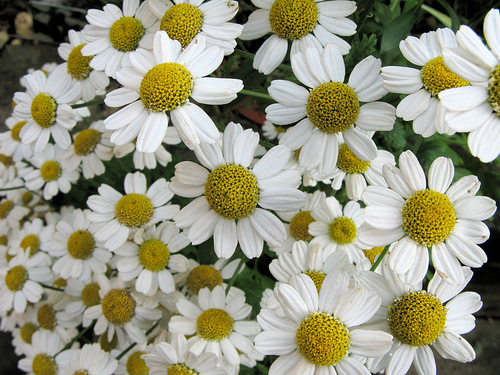
It has been found that the traditional and most common usage of feverfew has been in the treatment of headaches. It has also been found that feverfew now can be used for the treatment of wheezing in many individuals, who are suffering from this problem. A sweetened mixture is been prepared from feverfew and administered to the individual with wheezing to give him relief from the condition. Feverfew is a bitter tasting herb and therefore should never be used in excess. Using something sweet in it helps in easily consuming it. Individuals should stop consuming feverfew if they find that they have swollen lips, nausea, indigestion or diarrhea.
Chamomile
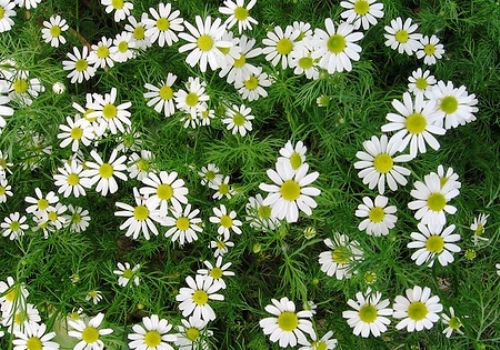
Chamomile as herb is helpful in reliving insomnia in patients when consumed as a tea. It also helps in reducing wheezing in individuals. Chamomile acts as an antihistamine and is therefore very effective in the treatment of wheezing. It helps to open up the air passages. It further helps in slowing down allergic reactions that may start an asthma attack or anaphylaxis in individuals. It is most effective when taken in the tea form. It has a soothing and relaxing effect on the individual and helps him in having good sleep. It also aids in the relaxation of the bronchial tubes. It has also been found to be very helpful in strengthening the immune system of the individual. Chamomile is a safe herb but it can cause some side effects in individuals. People who have allergic reactions to marigolds, daisies and ragweed may also develop some problems with this herb. They should discontinue the use when they develop any allergies and consult a doctor at the earliest.

Thyme
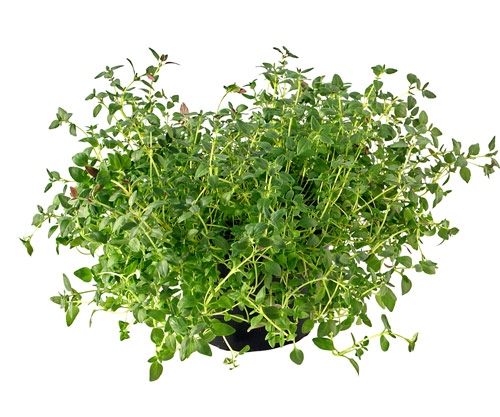
Thyme has been used treating variety of diseases in individuals. It has also been found to be very effective in treating wheezing in individuals. Thyme acts as an antibiotic on the lungs and sinuses of an individual. It helps in the opening up of airways and promotes easier breathing in asthma patients and during any allergy attack on individuals. It helps individuals to get relief from wheezing and cleans dries up phlegm. Thyme does not have any major side effects. It can only cause swelling of the lips or tightening of the throat for sensitive individuals. If anyone develops any of these problems, he should consult the doctor.
Ma huang
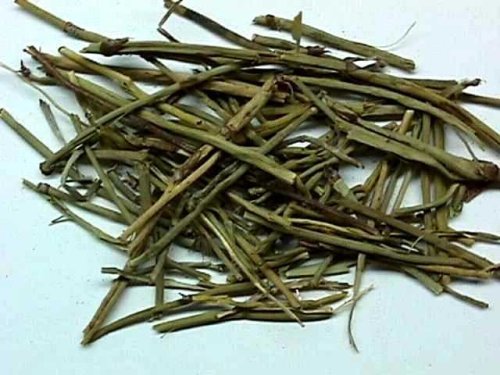
Ma huang is a useful herb helpful in the treatment of wheezing in individuals. Ephedra sinica or ma huang is an evergreen shrub like plant and is a native plant of Central Asia and Mongolia. The main constituent of this herb is ephedrine which is a powerful stimulant for the heart and nervous system of an individual. The stems and leaves of the plant are dried and used for medicinal purposes. Ma huang has a lot of qualities in it- it is antispasmodic, decongestant, diaphoretic, and diuretic, bronchodilator, antitussive and anti-inflammatory in nature. It aids in keeping the airways open and allows air to move in and out of the lungs of a person.
Licorice root
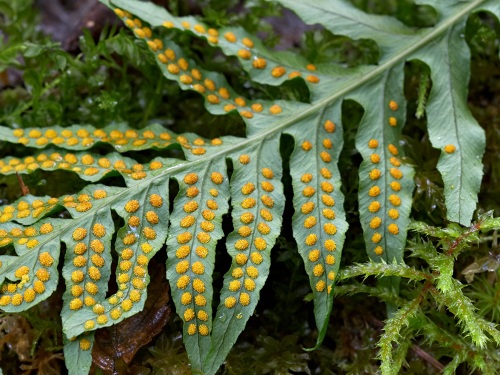
Licorice root has been found to be very effective in curing wheezing and giving relief to individuals suffering from this condition. The licorice root is full of flavors and has been used both as a spice and medicine for over centuries. Peptic ulcers, eczema, canker sores, dyspepsia, asthma, wheezing and upper respiratory tract infections are some of the diseases that can be treated with licorice root. Licorice root acts as a demulcent, anti0inflammatory, expectorant, antiviral, antibacterial, antioxidant and immuno modulator compound. It is also used to treat coughs and all throat problems in an individual. Before starting the intake of licorice, talking with your doctor and understanding the side effects and the dose that you should take is very important.
Yerba santa
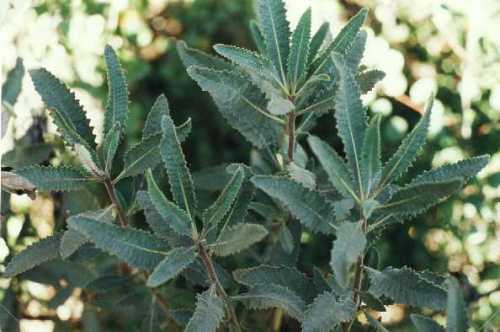
Recent clinical research has shown that yerba santa is a very helpful herb in the treatment of wheezing in individuals. This herb is a low, shrubby, evergreen plant which grows up to the maximum height of two to four feet in length. The leaves of the plant are used for medicinal purposes. This herb can be used not only for the treatment of wheezing but also for treating any bronchial problems or pulmonary infections. This herb is also a stimulating expectorant, antimicrobial and bronchial dilatory compound. It helps in thinning and stimulating the free flow of mucus from the lungs of an individual. Consulting the doctor about the dose and knowing beforehand about the side effects will be very helpful for many individuals.