

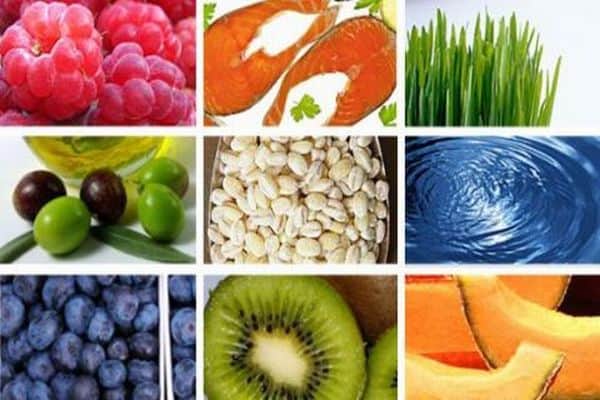
We all know the benefits of a nutritious diet. However, what most of us don’t know is the fact that our nutritional needs change as we age. In other words, we must eat different nutritious diet at the age of 40 and not keep the same as when we were 30. The relation between health and nutrition as part of aging is scientific and clinical. The role of nutrition affects the growth and development of body right from childhood till we become old. Eating right according to the age is the secret to look younger and disease free. So this article enlightens you about the correct diet that your body needs the most when you are in your 30s, 40s, and 50s.
Below are the dietary requirements of your body at different age groups:
1. Top needs for the 30s
Thirty is the age when you are doing most of physical chores of your life right from managing your family’s needs to taking care of your child to doing your office duties. In other words, this is an age where you are multitasking. Hence you require maximum strength and energy. To gain that, it is very important to have supplements of iron, folic acid, and calcium. If you want to prevent anemia and increase your immune system you need a minimum of 18 mg of iron daily. As you cross 35, you begin to lose bone mass. Women need about 1000 mg of calcium daily. The best foods which are appropriate for you in your 30s are:
a. Fortified cereals to meet your iron and folic acid requirements.
b. Lean meat and beans which are rich in iron.
c. Fruits like oranges, green leafy vegetables, and asparagus to meet your demand for folic acid.
d. Milk, cheese, yoghurt and cottage cheese to get the right amount of calcium.
2. Top needs for the 40s
This is an important age as regards your nutrition. Now is the time when your metabolism slows down and you are at risk to get high blood pressure, cholesterol levels and a greater risk of diabetes and heart disease. You must have lots of fiber, potassium, calcium and, low-calories foods. You must consume at least 25 grams of fiber daily. Also include in your diet whole grains, fruits and vegetables that are rich in potassium. The best foods to include in your diet now are:
a. At least three servings of whole wheat, brown rice, oats, rye and corn daily.
b. Two cups of fruits and two to two and half cups of vegetables daily. Best options are strawberries, bananas, and peas.
c. Cut down on the intake of sodium. This can be done easily if you limit the use of processed foods. Low sodium intake will keep your blood pressure in check.
d. Broccoli and soy milk fortified with calcium to complete your calcium requirements.
3. Top needs for the 50s
If you have been eating a balanced diet throughout your life, you need not worry when you reach the threshold of 50 and you can still manage to look younger. You must include in your diet a healthy dose of vitamin B, antioxidants, calcium, and vitamin D. At the age of 50, your body is undergoing lots of changes. The most important factor is the risk of heart diseases and bones losing their strength. Hence you need to protect your heart and your bones from osteoporosis. For this you need a variety of micro nutrients like vitamins B6 and B12 .They will prevent the hardening of arteries and eliminate heart related diseases. To prevent the setting in of cataracts, eat foods that are rich in anti oxidants. Menopause and hot flashes are a common problem with women at this age; you can ease both of them by including plant based foods which are rich in estrogen. Best foods to include in your diet now are:
a. Lots of bananas, potatoes, and pomegranates to increase your intake of vitamin B6. Also fish, chicken, and eggs which would meet the demand for vitamin B 12.
b. Dark green, dark yellow or orange fruits and vegetables, like broccoli and Brussels sprouts to prevent breast cancer in women.
c. Spinach to protect eye ailments.
d. Lots of cashews, corn, apples, and soy to ease menopause symptoms.
e. Calcium intake like low-fat cheese, almonds, and broccoli.