

Women’s body undergoes major changes in between ages 14–25. It is important for you to understand this transformative phase and maintain your health. You should take responsibility of the major health issues that occur at this stage and build up a lifestyle for a healthier tomorrow. The top six health issues concerning women at this ages are described below:
1. Getting your first period
Puberty is the time when physical changes occur in your body to develop from childhood to adulthood. Signs of puberty are growth of breasts, armpit and pubic hair, increase in height, and vaginal discharge. It is at this time when a girl is likely to get her first period and enter her menstrual cycle. This means that you are able to bear a child or get pregnant now. The first period can happen anywhere between the age of 9–16 years. Getting your first period can make you very anxious and scared. But it is a natural process that is bound to occur. Understanding the phenomenon can help you cope better.
Periods or menstruation is the monthly shedding of uterine cells in the form of blood when no pregnancy has occurred. It can last for 4–6 days. The hormonal changes before and during the periods can result in many uncomfortable symptoms in your body called as Pre- Menstrual Syndrome (PMS). Some of the common symptoms are weight gain, bloating, irritability, stomach ache, back ache, cramps in abdomen and food cravings. Some of the tips for healthy menstrual cycle are:
a. Moderate regular exercising for 30 minutes is beneficial.
b. Consume whole grain products.
c. Include adequate proteins in your diet like legumes, soybean etc.
d. Eat seasonal fruits and fresh vegetables.
e. Cut down on oily, salty and sugary food items.
f. Avoid chocolates.
g. Avoid excessive consumption of caffeine.
h. Yoga before menstruation begins can offset the PMS.
i. Avoid smoking and alcohol.
2. First pelvic exam
Most of the health professionals suggest that you should have your first pelvic examination within a few years of becoming sexually active or reaching an age of 21 years, whichever comes first. Pelvic exam is the examination of female organs to detect any gynecological problem. You should also go for the exam when you experience symptoms like unexplained pain in lower abdomen, unbearable menstrual cramps, vaginal discharge, missed periods, no period till the age of 15 or 16 years, and vaginal bleeding that lasts for 8–10 days. The visit includes tests like:
a. Examination of pelvic area for health problems.
b. External examination of the genitalia. This is followed by speculum and bimanual exam.
c. Pap test conduction for the diagnosis of cervical cancer or any abnormal cell growth that can lead to it.
d. Examination of breast for anything abnormal.
e. You can also ask the doctor for a screening test of STDs or sexually transmitted diseases.
3. Build strong bones
Women usually suffer from osteoporosis. They have a low bone density in the hip region which can lead to osteoporosis. Due to this you can have severe pain in back and joints as part of your PMS. Here are a few simple tips to make your bone strong and prevent future health risks:
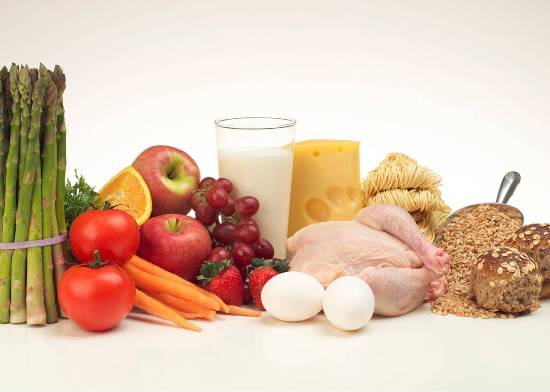
a. Ensure adequate calcium uptake in your diet. Good sources of calcium are dairy products, green vegetables, nuts and seafood. Taking calcium supplements can be beneficial in certain cases, but it should be done only after recommendation from a doctor.
b. Vitamin D is required by your body to absorb calcium. Milk and sunlight are good sources of vitamin D.
c. Regular exercise helps to boost bone strength.
4. Eating disorders
Eating disorder is a mental illness where you are preoccupied with food, weight, and appearance. Teenage girls and women are the most common victims of this devastating illness. They use food as an alternative to cope with other overwhelming feelings and stresses of life. The most common eating disorders are anorexia nervosa, bulimia nervosa, and binge eating. Dealing with eating disorder can be difficult but it can be treated by taking following measures:
a. Family and group therapy can be an effective treatment.
b. Consulting with a nutritionist can help you make a safe diet plan.
c. You should try to avoid negativity in thought and build your self esteem.
5. Coping with depression
Feelings of frequent ups and downs are common. Sadness is a common reaction. But depression is not mere sadness. It is a serious mental illness. Depression is very common among teenage girls. But you may not be able to recognize the symptoms and ignore them as a sign of general mood swing. Some of the signs of depression are
a. Constant feeling of sadness.
b. Loss of concentration.
c. Inability to enjoy life.
d. Change in appetite.
e. Fatigue and tiredness.
f. Change in sleeping pattern.
g. Restlessness, irritation, and anxiety.
h. Loss of interest in all daily activities.
If you suffer from the above symptoms, ask for help from your family and friends and discuss the issue with them. And if that’s not enough, seek professional help.
6. Avoid alcohol, tobacco and drugs
Women at this age have a high tendency of developing drinking, smoking or doping habits. This can be due to peer pressure, family conflict, depression, or relationship failure. You slowly tend to become dependent on these substances, leading to addiction. Drinking below the age of 21 years is illegal as well as dangerous. You may get involved in drunken driving, accidents, unprotected sex, and other fraught situations. Moreover, it is also a threat to your health. Similarly, smoking increases the risk of cancer, failure of reproductive organs, and other ailments. Drug abuse leads to a wide range of physical and psychological symptoms. The best way to be safe is to avoid excessive use of alcohol, tobacco and drugs.
Women who need to find a treatment center to help them deal with their addictions can search the Internet for these facilities.