

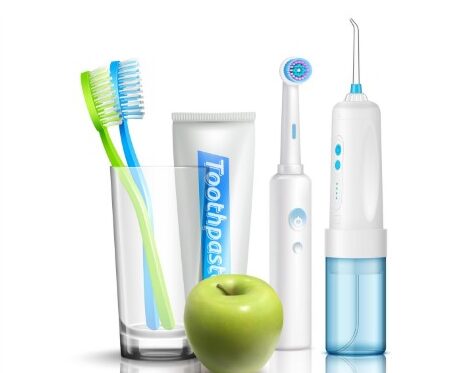
Dental hygiene represents far more than achieving a bright smile or fresh breath. Scientific research continues to reveal profound connections between oral health and overall systemic wellness, positioning proper dental care as a cornerstone of comprehensive healthcare. Understanding these connections empowers individuals to make informed decisions about their oral health routines while recognizing the broader implications of neglecting dental hygiene practices.
The Foundation of Preventive Healthcare
Preventive dental care serves as the first line of defense against numerous oral health complications that can escalate into serious medical conditions. Regular brushing, flossing, and professional cleanings remove bacterial biofilms that, when left unchecked, lead to tooth decay, gum disease, and eventual tooth loss. The American Dental Association reports that individuals who maintain consistent oral hygiene routines reduce their risk of cavities by up to 40% compared to those with irregular dental care habits.
Preventive measures prove significantly more cost-effective than restorative treatments. The average cost of a professional cleaning ranges from $75 to $200, while a single crown can cost between $800 and $1,500. Root canal therapy, often necessitated by poor oral hygiene, typically costs between $1,000 and $2,000 per tooth. These financial considerations underscore the economic wisdom of maintaining proper dental hygiene throughout one’s lifetime.
Systemic Health Connections
The relationship between oral health and systemic disease has become increasingly apparent through extensive medical research. Periodontal disease, primarily caused by inadequate oral hygiene, has been linked to cardiovascular disease, diabetes complications, respiratory infections, and adverse pregnancy outcomes. The mouth serves as a gateway to the body, and bacterial infections originating in oral tissues can spread through the bloodstream to affect distant organs and systems.
Cardiovascular disease risk increases significantly in individuals with moderate to severe periodontal disease. Research indicates that people with gum disease are 2.7 times more likely to develop heart disease compared to those with healthy gums. The inflammatory response triggered by oral bacteria contributes to atherosclerosis, the buildup of plaque in arterial walls that can lead to heart attacks and strokes.

Diabetic patients face particularly complex relationships between oral health and blood sugar control. According to Rodney Baier, a dentist in Sandy Springs, GA, diabetic patients with periodontal disease often experience greater difficulty maintaining stable blood glucose levels. Conversely, uncontrolled diabetes makes individuals more susceptible to severe gum disease, creating a challenging cycle that requires coordinated medical and dental care.
Psychological and Social Impacts
Poor dental hygiene extends beyond physical health consequences to significantly impact psychological well-being and social interactions. Studies reveal that individuals with visible dental problems experience higher rates of anxiety, depression, and social isolation. The embarrassment associated with bad breath, stained teeth, or missing teeth can lead to reduced social participation and diminished quality of life.
Professional opportunities may also suffer due to poor oral health presentation. Research conducted by the American Academy of Cosmetic Dentistry found that 74% of adults believe an unattractive smile can hurt career success. First impressions often rely heavily on smile aesthetics, making proper dental hygiene essential for professional advancement and social acceptance.
Self-esteem and confidence levels correlate strongly with oral health status. Individuals with healthy, attractive smiles report higher levels of self-confidence and are more likely to engage in social activities, pursue romantic relationships, and take on leadership roles. This psychological dimension of dental hygiene highlights the importance of viewing oral care as an investment in overall life satisfaction.
Age-Related Considerations
Dental hygiene requirements and challenges evolve throughout different life stages, making age-appropriate oral care strategies essential for long-term success. Children require specialized approaches that emphasize habit formation while protecting developing teeth and gums. Fluoride exposure during childhood development provides lifetime protection against tooth decay, with studies showing 20-40% reduction in cavities among children who receive appropriate fluoride treatments.
Adult oral hygiene focuses on maintaining existing dental work while preventing periodontal disease progression. The complexity of adult oral care increases with age as individuals accumulate fillings, crowns, and other restorations that require specialized cleaning techniques. Adults also face increased risks of dry mouth due to medications, which can accelerate tooth decay and gum disease if not properly managed.
Elderly individuals encounter unique oral health challenges including medication-induced xerostomia, manual dexterity limitations, and increased susceptibility to root caries.
Economic Implications of Dental Neglect
The financial burden of treating advanced dental disease far exceeds the cost of preventive care, making proper hygiene practices economically advantageous. Emergency dental visits, which often result from neglected oral hygiene, can cost between $200 and $1,000 per incident. Complex rehabilitation cases involving multiple tooth extractions and prosthetic replacements can exceed $25,000 per arch.
Lost productivity due to dental emergencies and treatment appointments represents additional economic costs often overlooked in oral health discussions. The Centers for Disease Control and Prevention estimates that Americans miss 164 million hours of work annually due to dental problems, resulting in significant economic losses for both individuals and employers.
Insurance coverage for preventive dental care typically provides excellent value, with most plans covering routine cleanings, examinations, and fluoride treatments at 100% of costs. However, coverage for restorative treatments often involves significant patient co-payments, making prevention financially advantageous compared to treatment of advanced disease.
Professional Care Integration
While home care forms the foundation of good oral hygiene, professional dental services provide essential components that cannot be replicated through individual efforts alone. Professional cleanings remove calcified plaque deposits that resist removal by brushing and flossing, while regular examinations detect problems in early stages when treatment is most effective and least expensive.
Dental professionals also provide personalized hygiene instruction based on individual risk factors, oral anatomy, and lifestyle considerations. This customized approach ensures optimal cleaning techniques while addressing specific challenges that may compromise oral health outcomes.
The integration of home care and professional services creates comprehensive oral health programs that maximize preventive benefits while minimizing treatment needs. This collaborative approach between patients and dental professionals represents the most effective strategy for maintaining oral health throughout life while supporting overall wellness and quality of life objectives.