

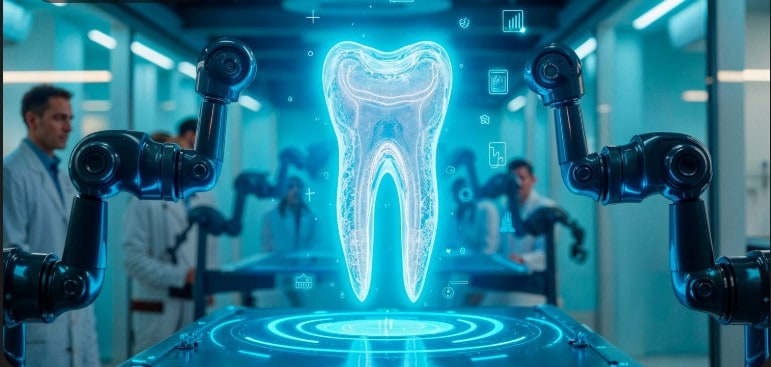
The dental industry is experiencing an unprecedented technological revolution that is reshaping how oral healthcare is delivered. From artificial intelligence diagnostics to 3D printing capabilities, modern dentistry is becoming more precise, efficient, and patient-friendly than ever before. These technological advancements are not merely incremental improvements but fundamental shifts that promise to transform the entire landscape of dental care.
The Rise of Artificial Intelligence in Dental Diagnosis
Artificial intelligence has emerged as one of the most transformative technologies in modern dentistry. AI software can be used to detect restorations, prosthetic crowns, periodontal bone loss, and root canal segmentation from the periapical radiographs, dramatically improving diagnostic accuracy and speed. The integration of AI-powered diagnostic tools allows dentists to identify potential issues that might be missed during traditional examinations, leading to earlier intervention and better patient outcomes.
According to a Houma, Louisiana dentist, Dr. Mark Bilello, the implementation of AI-driven diagnostic systems has revolutionized the way dental professionals approach treatment planning and patient care. These intelligent systems can analyze radiographs, intraoral scans, and patient data to provide comprehensive insights that support clinical decision-making.
In 2025, early adopting practices will augment teledentistry with AI-driven virtual assistants that guide patients through basic oral hygiene instructions. This development represents a significant shift toward preventive care and patient education, allowing dental practices to extend their reach beyond traditional office visits.
3D Printing Revolution in Dental Manufacturing

The dental 3D printing market is experiencing explosive growth, with Global dental 3D printing market valued at $3.40B in 2024, reached $3.96B in 2025, and is projected to grow at a robust 20.5% CAGR, hitting $ 10.06B by 2030. This remarkable expansion reflects the technology’s increasing adoption across various dental applications, from prosthetics to orthodontic devices.
The precision capabilities of modern 3D printing technology are truly remarkable. This level of accuracy enables the creation of dental restorations and prosthetics that fit with unprecedented precision, reducing adjustment time and improving patient comfort.
Keeping up with the newest dental industry trends of 2024 represents no small investment. However, spending money on things like 3D printing, laser dentistry solutions, intraoral scanners, and other modern tools guarantees an excellent return. The investment in these technologies pays dividends through improved efficiency, reduced material waste, and enhanced patient satisfaction.
Digital Workflow Integration and Cloud-Based Solutions
The dental industry is moving toward comprehensive digital integration, with workflows being integrated typically in the cloud as practices discover that many of their current solutions do not connect seamlessly. This integration challenge is driving the development of unified platforms that can manage everything from patient records to treatment planning and billing systems.
From leveraging AI-powered tools to integrating digital workflow systems, dental practices are finding new ways to deliver high-quality care while managing resources effectively. The shift toward digital workflows represents more than just technological adoption; it’s a fundamental reimagining of how dental practices operate and deliver care to their patients.
Teledentistry and Remote Patient Monitoring
The adoption of teledentistry has accelerated significantly, with the ADA reported that 1 in 5 dental patients had used some form of virtual consultation, and that number is climbing. This trend reflects changing patient expectations and the industry’s response to provide more convenient, accessible care options.
Remote monitoring technologies are particularly transformative in orthodontics, where practitioners can track treatment progress without requiring frequent in-person visits. This capability not only improves patient convenience but also allows dental professionals to monitor treatment effectiveness more closely and make timely adjustments when necessary.
Advanced Materials and Treatment Techniques
The development of new dental materials and treatment techniques is being accelerated by technological innovations. The integration of AI, digital imaging, and 3D printing can provide more precise, durable, and patient-oriented outcomes. These integrated approaches allow for the creation of custom treatment solutions that are tailored to individual patient anatomy and needs.
Laser dentistry has become increasingly sophisticated, offering minimally invasive treatment options that reduce patient discomfort and recovery times. These advanced techniques, combined with precision diagnostic tools, enable dental professionals to provide treatments that were previously impossible or highly complex to perform.
Market Growth and Future Outlook
The cosmetic dentistry segment is showing particularly strong growth, with this market is projected to experience an annual growth rate of 7.1% until 2025. This growth is being driven by both technological capabilities and changing patient expectations for aesthetic dental treatments.
Startups develop advanced dental implants that have enhanced stability and longevity. Innovations in cosmetics dentistry focus on aesthetic dental procedures. The startup ecosystem in dental technology is vibrant and innovative, continuously pushing the boundaries of what’s possible in oral healthcare.
The technological transformation of dentistry represents a convergence of multiple advanced technologies working together to create better patient outcomes. As these technologies continue to evolve and integrate, dental professionals who embrace these innovations will be better positioned to provide superior care while building more efficient and profitable practices. The future of dentistry is digital, precise, and patient-centered, promising a new era of oral healthcare that benefits both practitioners and patients alike.