

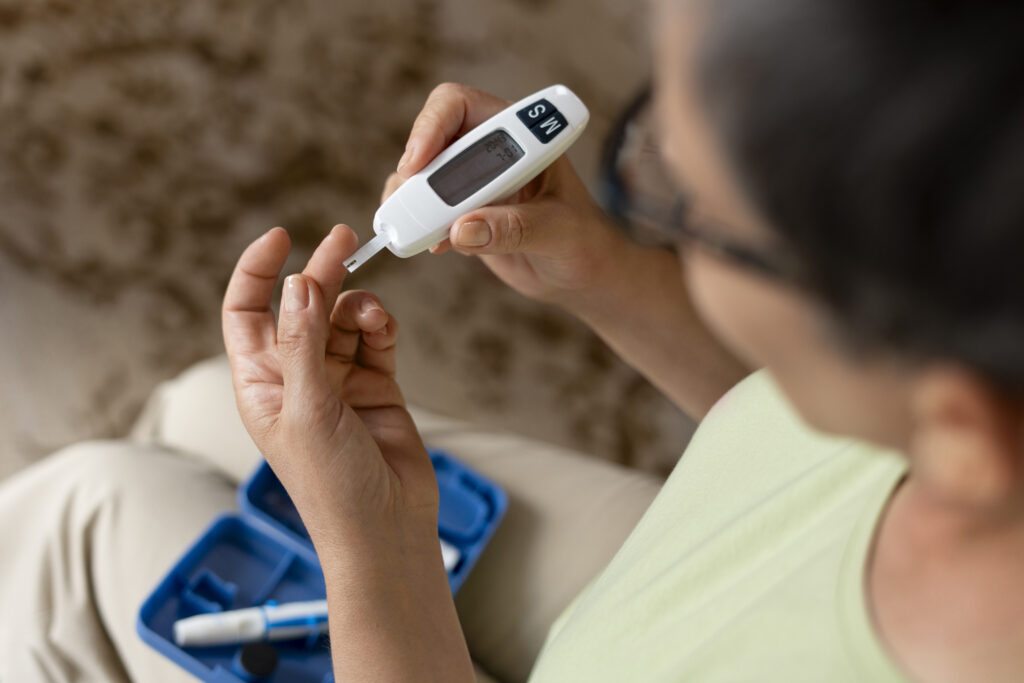
Diabetes has emerged as one of the most prevalent chronic health conditions worldwide, affecting millions of people across age groups and demographics. Managing diabetes effectively requires a comprehensive understanding of its associated risks and complications. This knowledge empowers individuals to take proactive steps toward better health outcomes and improved quality of life.
The Global Diabetes Epidemic
The statistics surrounding diabetes are sobering. The International Diabetes Federation estimates that approximately 537 million adults worldwide are living with diabetes, with projections suggesting this number could rise to 643 million by 2030. In the United States alone, over 37 million people have diabetes, with nearly 1 in 5 unaware of their condition.
This silent epidemic carries significant health implications. People with diabetes face a two to three times higher risk of cardiovascular events compared to those without the condition. The economic burden is equally substantial, with diabetes-related healthcare costs in the U.S. exceeding $327 billion annually, encompassing both direct medical costs and reduced productivity.
Understanding Type 1 and Type 2 Diabetes
Type 1 diabetes, accounting for about 5-10% of all diabetes cases, is an autoimmune condition where the body attacks insulin-producing cells in the pancreas. In contrast, Type 2 diabetes—representing 90-95% of cases—develops when cells become resistant to insulin or the pancreas cannot produce sufficient insulin to maintain normal blood glucose levels.
While genetic factors play a role in both types, Type 2 diabetes is strongly linked to lifestyle factors such as obesity, physical inactivity, and poor dietary habits. Recent research indicates that maintaining a healthy weight through regular physical activity and balanced nutrition can reduce the risk of developing Type 2 diabetes by up to 58% in high-risk individuals.
Cardiovascular Complications
Heart disease and stroke remain the leading causes of death and disability among people with diabetes. The American Heart Association reports that adults with diabetes are nearly twice as likely to die from heart disease or stroke compared to those without diabetes.
High blood glucose levels damage blood vessels and nerves that control the heart, contributing to atherosclerosis—the buildup of fatty deposits in arteries. This process increases the risk of heart attacks, strokes, and peripheral artery disease. Managing blood pressure, cholesterol levels, and blood glucose is essential for reducing these cardiovascular risks.
Diabetic Neuropathy and Foot Complications
According to Always Best Care, home care in Vacaville, CA, approximately 50% of people with diabetes develop some form of nerve damage over time. Diabetic neuropathy most commonly affects the feet and legs, resulting in numbness, tingling, or pain. This sensory loss can make it difficult to notice injuries, leading to untreated wounds and infections.
Foot ulcers affect about 15% of people with diabetes during their lifetime. Without proper care, these wounds can become severely infected, potentially leading to amputation. In fact, diabetes is the leading cause of non-traumatic lower limb amputations in the United States, with approximately 73,000 amputations performed annually on people with diabetes.
Vision and Kidney Complications
Diabetic retinopathy affects roughly one-third of people with diabetes and remains the leading cause of blindness among working-age adults. The condition develops when high blood sugar damages the blood vessels in the retina, causing them to leak or grow abnormally.
Similarly, diabetic nephropathy (kidney disease) affects up to 40% of people with diabetes. Over time, high blood glucose levels damage the kidney’s filtering system, potentially leading to kidney failure. Approximately 30% of patients with Type 1 diabetes and 10-40% of those with Type 2 diabetes eventually develop kidney failure, requiring dialysis or kidney transplantation.
Mental Health Impact
The psychological burden of managing a chronic condition like diabetes is substantial but often overlooked. Studies show that people with diabetes are 2-3 times more likely to experience depression compared to those without the condition. This bidirectional relationship means that depression can worsen diabetes management, while poor diabetes control can exacerbate depression.
Prevention and Management Strategies
Despite these serious risks, evidence shows that proper management can significantly reduce complications. The landmark Diabetes Control and Complications Trial demonstrated that intensive blood glucose control reduced the risk of eye, kidney, and nerve diseases by 50-75% in people with Type 1 diabetes.
Regular monitoring of blood glucose levels, medication adherence, physical activity, and dietary management form the cornerstone of diabetes care. Personalized support systems and professional guidance can dramatically improve outcomes for people managing diabetes at home.
The Importance of Regular Screening
Early detection through regular screening is crucial, especially for those with risk factors such as family history, obesity, or prediabetes. Studies indicate that for every year earlier diabetes is diagnosed and treated, the risk of serious complications decreases by approximately 20%.
Regular comprehensive foot examinations, eye exams, kidney function tests, and cardiovascular assessments are essential components of diabetes management that help prevent or delay the onset of complications.
Understanding the risks associated with diabetes is the first step toward effective management. With proper education, support, and medical care, people with diabetes can lead fulfilling lives while minimizing the impact of potential complications.