
Are you ready to save a life in an emergency? Do you know how to use an Automated External Defibrillator (AED)?
If not, it might be time to get certified. AED certification is important for more than just certain jobs. It’s helpful for anyone who wants to be ready in an emergency. In today’s fast-paced world, knowing how to use an AED could make the difference in saving someone’s life.
In this post, you’ll learn why AED certification is important, what it involves, and how to use an AED. Get ready to become a lifesaver!
The Importance of AED Certification
AED certification is essential because it provides individuals with the training and confidence needed to use this potentially life-saving device. Sudden cardiac arrest can happen to anyone, anywhere, and knowing how to respond appropriately can save lives. The Right training helps ensure that individuals can act swiftly and correctly in high-pressure situations.
Immediate defibrillation can increase the chances of survival by up to 70%. Given these staggering figures, having your AED certification is not just a personal achievement; it’s a community obligation. When more people are trained to use AEDs, it leads to safer environments, whether at home, work, or in public spaces.
1. Certification Requirements
Most AED certification courses are accessible to the general public, making it easy to get involved. Generally, the requirements include:
- Being at least 16 years old.
- Completion of a CPR course from an accredited provider.
- Passing a practical assessment demonstrating
- Participating in periodic refresher courses
These standards ensure that certified individuals not only understand the theory behind using an AED but also can navigate the equipment. It’s crucial to find a reputable organization to get your certification from, ensuring that the training is comprehensive and meets current guidelines.
2. Types of AED Training
AED certification training typically comes in various formats. Here are the main options:
In-Person Training
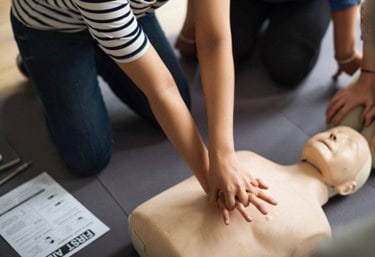
In-person CPR training sessions provide hands-on experience with AED devices. Participants can practice using the equipment under the guidance of certified instructors. This format is particularly beneficial for those who learn best through direct interaction and practice.
Hybrid Courses
Hybrid courses combine online learning with in-person practice. You can complete the theoretical components online and then attend a brief in-person session to demonstrate your skills. This approach is increasingly popular because it balances flexibility with the hands-on experience needed for competency.
Online Training
Online AED certification courses offer flexibility and convenience, allowing you to learn at your own pace. While these courses may lack hands-on experience, they often include interactive videos and simulations to help reinforce learning. Ensure that the online course you choose is accredited. For additional resources, check out our website.
3. Embrace the Responsibility
Understanding the essential aspects of AED certification goes beyond mere compliance. It is about being prepared to act decisively when it matters most. Whether you’re a healthcare provider, teacher, coach, or a concerned citizen, becoming AED certified equips you with lifesaving skills.
Join the ranks of those committed to improving public health and safety through AED training. By getting certified, you contribute to a culture of preparedness that can benefit everyone in your community. Make the choice to be a lifesaver today!
Everything You Need to Know About AED Certification
Obtaining AED certification is crucial for individuals who want to be prepared for emergency situations. It not only equips you with the necessary skills to save a life, but also provides a sense of confidence and reassurance. Take the first step and get certified today!
Like this article? Read more about these topics on our blog.