

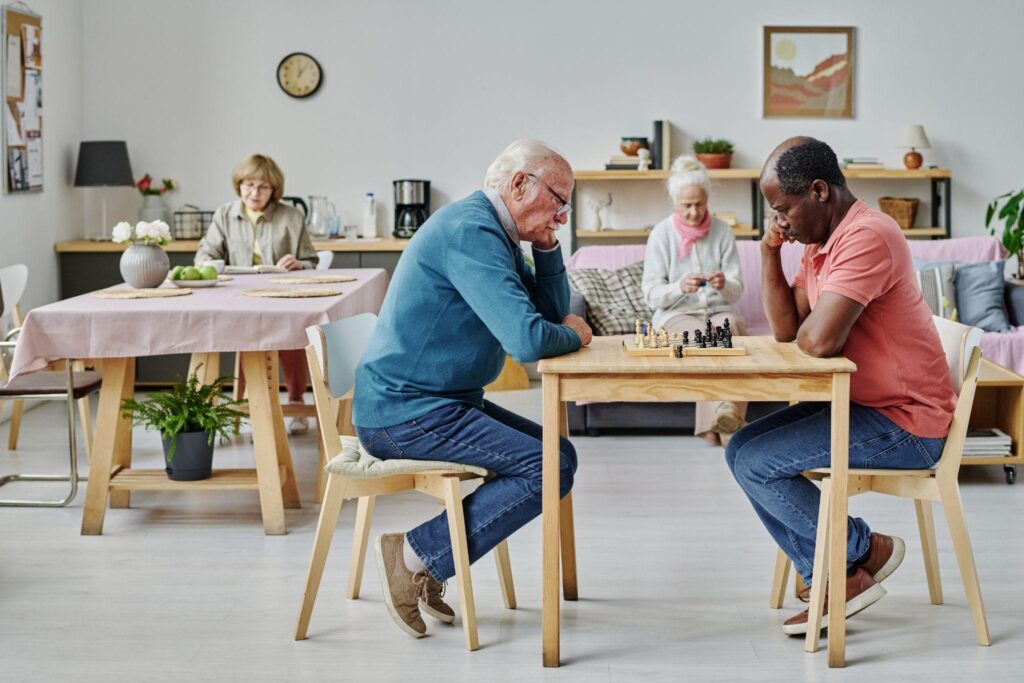
Conversations about aging often focus on what is lost. Independence, mobility, and the ability to manage a household are common concerns for families. Yet the modern landscape of senior living communities challenges this narrative. Instead of focusing on loss, these communities are designed around opportunities: connection, convenience, safety, and dignity.
Across Canada and beyond, more families are exploring what senior living communities actually provide. The reality is far more encouraging than outdated stereotypes suggest. Seniors today are finding that these residences do not take independence away. They offer new ways to live well, free of unnecessary stress, with more time and space for the things that matter.
Beyond the Old Perception
For decades, the words “senior living” often evoked images of institutional hallways and restricted routines. That perception lingers, but it no longer reflects reality. Modern communities are designed to look and feel like welcoming residences. They prioritize comfort, style, and accessibility while offering services that support daily life.
The goal is not to limit choices but to expand them. Residents can decide how involved they want to be in social activities, when to dine, and how to spend their days. Families who tour these communities often remark on how different the environment feels from what they expected.
Independence First
The heart of senior living communities is independence. These residences are not about constant supervision. Instead, they provide an environment where older adults can maintain control of their own lives while enjoying the peace of mind that comes with support.
Independence is protected in many ways:
- Private apartments or suites that allow seniors to live as they would in their own home.
- Flexible meal options that support individual routines.
- Transportation services for shopping, appointments, or outings.
- Social and recreational programs that residents can choose to join or not.
By removing the burdens of household maintenance, seniors often gain more freedom than they had when living alone. No more shoveling snow, repairing appliances, or worrying about property upkeep.
Safety and Security
One of the most reassuring aspects of senior living communities is safety. Families want to know their loved ones are not only comfortable but secure. Communities are designed with features that make daily life safer, such as well-lit hallways, secure entrances, and emergency call systems.
Medical staff or trained personnel are often available on-site, providing another layer of reassurance. While most residents remain independent, the knowledge that help is accessible if needed creates peace of mind.
For seniors, this safety net does not feel restrictive. It feels liberating. They can continue living life on their terms while knowing that unexpected events will not leave them isolated.
A Sense of Community
Isolation is one of the biggest challenges facing older adults. After retirement, children moving out, or the loss of a spouse, many seniors find themselves spending long stretches of time alone. While independence is valuable, isolation can affect mental and physical health.
Senior living communities address this with built-in opportunities for connection. Shared dining spaces, activity programs, fitness classes, and cultural events create natural ways for residents to meet and bond. The result is a strong sense of belonging that many seniors did not have before.
This social fabric matters. Studies consistently show that seniors who maintain active social lives experience better health outcomes, improved mood, and greater longevity. For families, knowing their loved one is surrounded by peers and friends eases concern about loneliness.
Health and Wellness Support
While independent living is central, senior living communities also integrate wellness. This often includes fitness centers, wellness checks, and programs that encourage active living. Nutrition is supported with balanced meal plans, while access to healthcare professionals ensures preventative care.
The holistic approach helps residents maintain health longer. Instead of reacting to health concerns, communities encourage proactive habits that support long-term vitality.
Personalized Lifestyle Choices
No two seniors are the same, and modern communities understand this. Residents can shape their experience around their own preferences. Some may enjoy group classes and outings, while others prefer quiet routines.
Customization extends to meal plans, living arrangements, and recreational activities. This flexibility is central to the philosophy of these communities. Seniors are not placed into rigid systems but invited to design daily life in ways that reflect who they are.
Relief for Families
The benefits extend well beyond the seniors themselves. Families often feel a heavy burden when loved ones live in homes that no longer suit their needs. Adult children may spend weekends mowing lawns, repairing roofs, or managing errands. These responsibilities, while done with love, can create strain and shift family dynamics.
When a loved one moves into a senior living community, families are relieved of these pressures. Visits can focus on enjoying time together rather than performing chores. Children become children again, free to focus on connection instead of care management.
This relief is powerful. It restores balance and allows families to approach aging with greater ease.
Affordability and Value
Cost is often a concern when families consider senior living communities. At first glance, the expense may seem higher than staying in a private home. However, when factoring in the costs of property taxes, home maintenance, utilities, groceries, and transportation, the difference is often far smaller than expected.
In many cases, senior living provides greater value. It combines housing, services, and community in one place, often at a cost that rivals maintaining an aging home. When the added benefits of safety, convenience, and wellness are included, families often realize the investment is worthwhile.
Breaking the Stigma
Perhaps the most important shift senior living communities bring is a new understanding of aging. Instead of viewing later years as a time of decline, these residences show that life can remain full, active, and connected.
They challenge the stigma that moving into a senior residence is a step backward. For many, it is a step forward into a more manageable and fulfilling stage of life. Families who once feared the decision often reflect later that it was the best choice for everyone involved.
Looking Ahead
The demand for senior living communities is expected to grow as populations age. With this demand, innovation continues to shape the industry. Future communities will likely integrate even more technology, wellness initiatives, and lifestyle options to meet the expectations of a new generation of seniors.
These changes reflect a broader cultural shift. Aging is no longer framed only as a challenge but as a stage of life with its own opportunities. Senior living communities are central to this shift, offering dignity, independence, and connection in ways that redefine what aging can look like.
Conclusion
What senior living communities really offer is not confinement but freedom. They provide independence without isolation, safety without restriction, and connection without pressure. For seniors, they represent a lifestyle that balances autonomy with support. For families, they bring reassurance that loved ones are safe, happy, and engaged.
The choice is no longer about giving something up. It is about embracing a new way of living that makes later years richer and more enjoyable. When viewed through this lens, senior living communities are not just a practical option but a meaningful opportunity to live well.