
Health-conscious travellers are rewriting the rules of tourism. Rather than chasing nightlife or ticking off landmarks, they’re seeking trips that nourish the body, calm the mind, and restore emotional balance. As a result, wellness retreats, once a niche offering, have become a global phenomenon. These carefully designed getaways offer more than just a break from routine; they invite a complete recalibration of how we live, work, and engage with ourselves.
A Lifestyle Shift That Goes Beyond Vacation
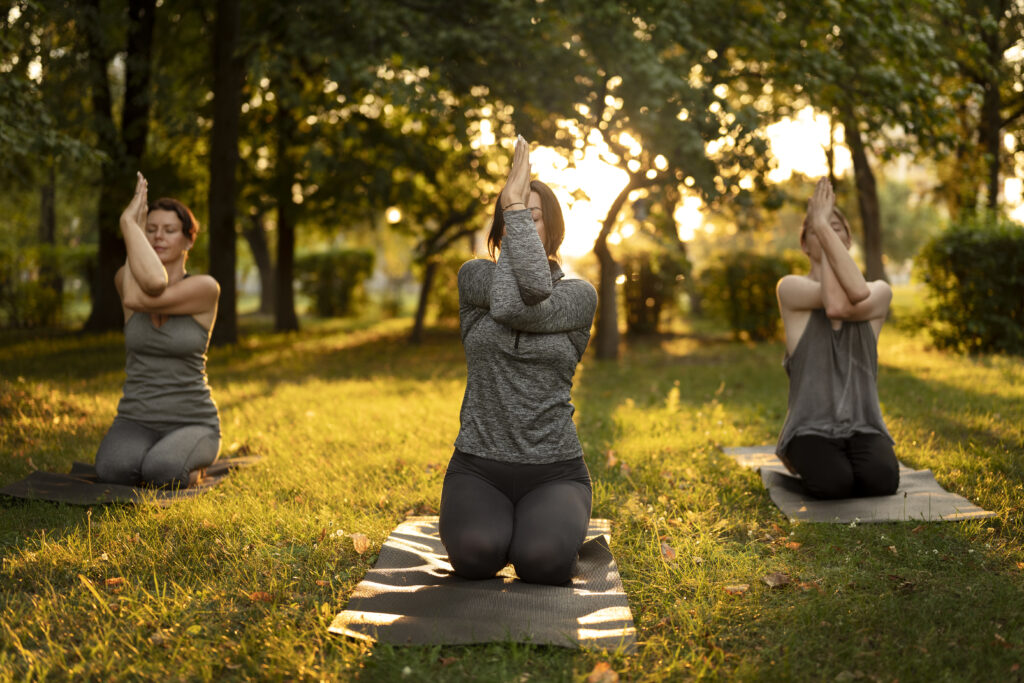
The appeal of wellness retreats lies in their holistic approach. From organic meals and yoga sessions to silent mornings and nature immersion, these experiences reflect a growing desire to travel with purpose. According to BBC, the wellness travel sector is now worth hundreds of billions of dollars, driven by consumers looking to align their habits diet, and fitness with their travel choices.
This shift marks a deeper cultural evolution. Today’s travellers are no longer content with simply “getting away.” They want their time off to have impact to return home better than they left.
Culturally Rooted Retreats With a Global Reach

What sets many wellness retreats apart is their connection to ancient traditions. Breathwork, herbal medicine, plant ceremonies, and meditation have been practiced for centuries in communities around the world. When integrated respectfully, these modalities provide a rich foundation for modern healing experiences.
Take Etnikas, a wellness centre in Peru’s Sacred Valley. Known for its ethical and medically supervised ayahuasca retreats, Etnikas draws people seeking deep personal growth in a setting that honours indigenous knowledge and spiritual integrity. For health-conscious travellers, it offers a rare chance to explore emotional and psychological wellness in a truly immersive way.
Long-Term Wellbeing Over Quick Fixes
Unlike typical spa weekends, wellness retreats often prioritise practices that guests can continue after their stay. This sustainability, whether through guided journaling, clean eating habits, or mindfulness routines, is part of their growing appeal.
The Guardian recently reported that many travellers now see retreats as the beginning of long-term lifestyle change, not just a temporary reset. This is especially true for those navigating burnout, chronic stress, or big life transitions.
Final Thoughts
The rise in wellness-focused travel signals a shift in how people want to experience the world and themselves. As more individuals prioritise mental clarity and physical vitality, destinations that offer meaningful, health-oriented experiences will only continue to flourish.
In choosing to retreat, travellers aren’t stepping back; they’re stepping into a more intentional way of living. And that may be the most rewarding journey of all.