

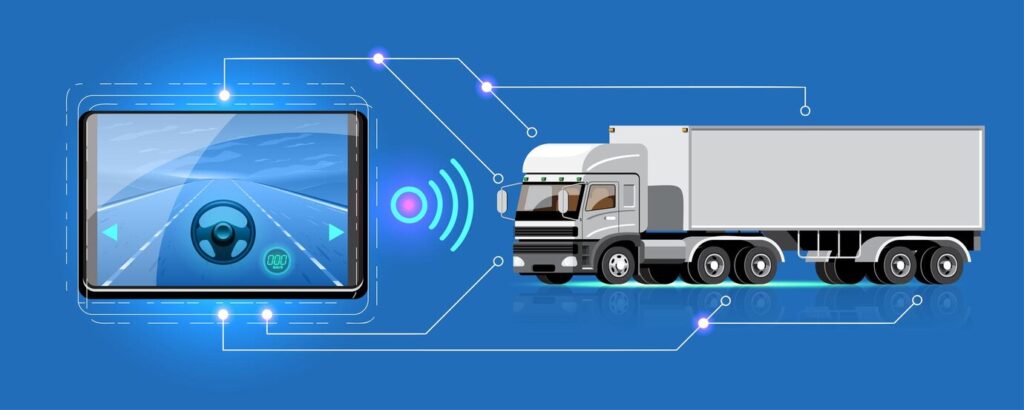
The trucking industry is on the brink of a transformation, with autonomous trucks set to revolutionize freight transport. These self-driving vehicles promise increased efficiency, reduced costs, and enhanced safety. However, several challenges remain before widespread adoption becomes a reality.
While waiting for this shift, businesses can stay competitive by integrating advanced solutions like https://fleet.care/services/dispatch-services/ to optimize their current operations and prepare for the future.
Advancements in Autonomous Trucking Technology
Autonomous trucking has made remarkable progress over the past decade. Companies such as Waymo, TuSimple, and Aurora are leading the development of self-driving systems powered by artificial intelligence (AI), sensors, and advanced mapping technologies.
These trucks can:
-
Drive themselves on highways
-
Handle lane changes
-
Detect obstacles with precision
Levels of Autonomy:
-
Level 2: Partial automation with driver assistance
-
Level 4: High automation (self-driving on designated routes, but a driver may be needed in cities)
-
Level 5: Fully autonomous without human intervention
Most current efforts focus on achieving Level 4 autonomy, where trucks can operate independently on highways but still require human drivers for complex urban deliveries.
Potential Impact on the Freight Industry
The adoption of autonomous trucks will bring significant changes to freight transport. Here’s how:
-
Improved Efficiency & Cost Savings – Self-driving trucks can operate 24/7 without breaks, reducing delivery times and improving fuel efficiency through optimized driving patterns.
-
Addressing Driver Shortages – The trucking industry faces a shortage of drivers. Autonomous trucks can help alleviate this issue by handling long-haul routes.
-
Enhanced Safety – Human error is one of the leading causes of truck accidents. AI-powered autonomous systems, using real-time data and predictive algorithms, could significantly reduce accident rates.
-
Lower Operating Costs – Automation reduces labor costs, leading to more affordable freight transportation.
Challenges Facing Autonomous Trucks
Despite their potential, autonomous trucks face several challenges:
-
Regulatory & Legal Hurdles – The legal framework for self-driving trucks varies by region. Liability in accidents remains a key concern.
-
Public Trust & Acceptance – Building confidence among shippers and the public is crucial. Many are concerned about safety and job displacement.
-
Infrastructure Limitations – Smart infrastructure (such as vehicle-to-infrastructure communication systems) is not yet widely available, which may slow deployment.
-
High Initial Costs – The development and adoption of self-driving technology are expensive, making it difficult for small trucking businesses to invest.
Preparing for the Autonomous Future
To adapt and thrive in an industry shifting toward automation, businesses should consider:
-
Investing in Technology – Adopting advanced fleet management systems and dispatch tools can help ease the transition. Solutions like Fleet Care Dispatch Services ensure operational efficiency.
-
Staying Updated on Regulations – Keeping track of government policies on self-driving trucks can provide an early competitive advantage.
-
Upskilling the Workforce – While driver demand may decrease, other roles such as fleet technicians, AI specialists, and logistics managers will become more valuable. Training employees for these new roles is essential.
-
Building Strategic Partnerships – Collaborating with tech companies and logistics service providers can offer early access to autonomous vehicle trials and expertise.
Final Thoughts
The future of autonomous trucks is fast approaching. While there are challenges to overcome, these innovations will reshape freight transport, making it safer, more efficient, and cost-effective. Companies that stay informed, adopt new technologies, and prepare for these changes will lead the industry.
At Fleet Care, we’re committed to supporting trucking businesses through industry shifts. Explore our dispatch services to optimize your fleet and stay ahead of the competition.