

A bathroom renovation can transform one of the most important spaces in your home, but without proper planning, it can quickly become overwhelming. Whether you’re updating a powder room or tackling a complete master bath overhaul, following a structured approach will save you time, money, and countless headaches. Here’s your essential checklist for making your bathroom renovation as stress-free as possible.
Start with a Realistic Budget
Before you fall in love with expensive fixtures or dream about heated floors, establish a clear budget. Research shows that bathroom renovations typically cost between $6,000 and $15,000 for a standard remodel, though luxury upgrades can push that number higher. Be sure to add a 10-20% cushion for unexpected expenses like hidden water damage or outdated plumbing that needs replacement. Knowing your financial limits upfront helps you make informed decisions throughout the project.

Define Your Must-Haves and Nice-to-Haves
Take time to list what you absolutely need versus what would simply be nice to include. Do you need more storage? Is better lighting essential? Are you looking to improve accessibility for aging in place? Many homeowners considering accessibility options explore a bathroom remodel with walk-in bathtub features, which can provide both safety and comfort for the long term. Separating necessities from luxuries helps you allocate your budget wisely and make compromises when needed.
Measure Everything Carefully
One of the biggest mistakes in bathroom renovations is failing to account for proper measurements. Measure your space multiple times and create a detailed floor plan. Consider door swing clearances, toilet placement requirements, and whether your dream vanity will actually fit. If you’re planning significant changes, hiring a professional designer for a few hours can prevent costly mistakes and help you maximize your space.
Choose Your Fixtures and Materials Early
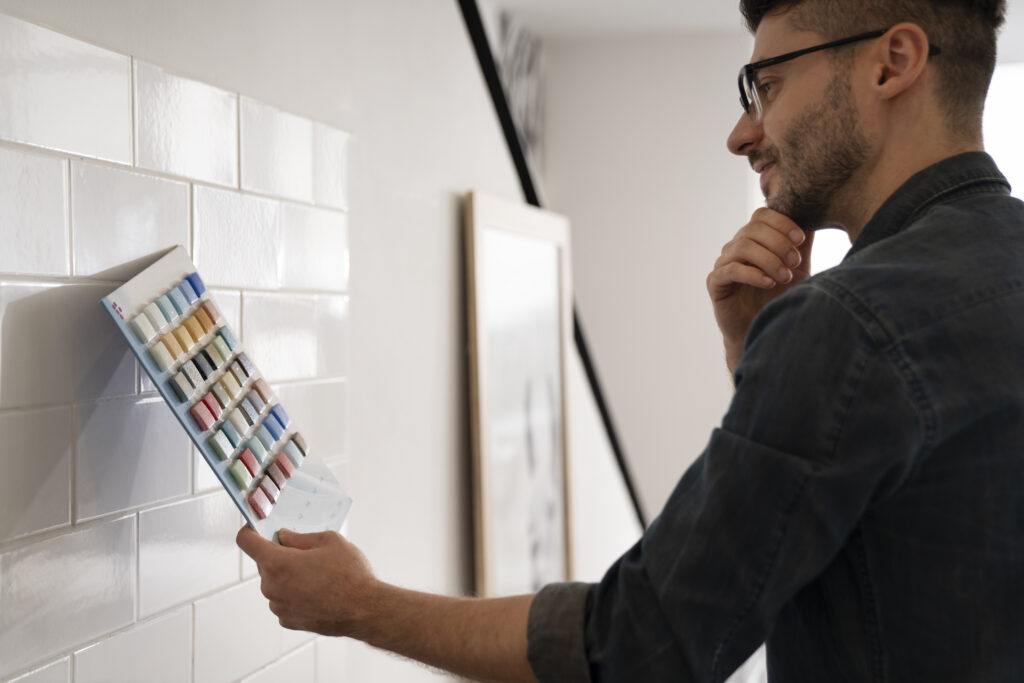
Don’t wait until the last minute to select tiles, vanities, toilets, and faucets. Many items require ordering weeks in advance, and delays can halt your entire project. Visit showrooms early, collect samples, and make decisions before demolition begins. This also gives you time to hunt for deals or wait for sales on big-ticket items. Keep all your selections organized in a folder with product numbers, measurements, and photos.
Plan for Plumbing and Electrical Updates
Moving plumbing or electrical fixtures significantly increases renovation costs and complexity. If possible, keep toilets, sinks, and showers in their existing locations. However, if you’re upgrading to modern fixtures or adding features like heated towel racks, ensure your electrical system can handle the load. Hire licensed professionals for these critical systems rather than attempting DIY work that could cause problems down the road.
Consider Ventilation and Lighting
Proper ventilation prevents mold growth and protects your investment. Install a quality exhaust fan rated for your bathroom’s square footage, and consider adding a timer or humidity sensor for automatic operation. For lighting, layer different types including task lighting around the mirror, ambient ceiling lights, and accent lighting for ambiance. Good lighting makes your bathroom more functional and can make a small space feel larger.
Think About Storage Solutions
A beautiful bathroom loses its appeal quickly if you have nowhere to store toiletries and towels. Plan for adequate storage with a combination of closed cabinets and open shelving. Consider recessed medicine cabinets, built-in niches in the shower, and pull-out organizers under the sink. Think vertically if you’re working with limited floor space, and don’t forget hooks and towel bars positioned where you’ll actually use them.
Select Water-Resistant and Durable Materials
Bathrooms face constant moisture exposure, so choose materials designed to withstand humidity. Porcelain or ceramic tiles remain popular for their durability and water resistance. For walls, use moisture-resistant drywall or cement board behind tile. Select mold-resistant paint for any painted surfaces. Investing in quality materials upfront prevents premature wear and costly repairs.
Create a Timeline with Your Contractor
A typical bathroom renovation takes four to six weeks, though this varies based on scope. Work with your contractor to establish a realistic timeline with specific milestones. Understand when you’ll need to make decisions, when materials should arrive, and when each phase will occur. Factor in potential delays for inspections, material backorders, or unexpected issues. Having an alternate bathroom during renovation isn’t just convenient but essential.
Prepare Your Home and Family
Bathroom renovations create dust, noise, and disruption. Seal off the work area with plastic sheeting to contain dust. Establish a temporary bathroom station elsewhere in your home with essentials easily accessible. If you have small children or pets, plan how you’ll keep them safe around construction zones. Communicate with your household about what to expect and how long disruptions will last.
Final Inspection and Warranty Documentation
Before making final payment, do a thorough walkthrough with your contractor. Test all fixtures, check tile work for proper installation, ensure doors and drawers operate smoothly, and verify everything matches your specifications. Collect warranty information and care instructions for all fixtures and materials. Take photos of the completed space for your records and for insurance purposes.
A bathroom renovation represents a significant investment in your home’s value and your daily comfort. By following this checklist and planning thoroughly, you’ll navigate the process with confidence and end up with a beautiful, functional space you’ll enjoy for years to come.