

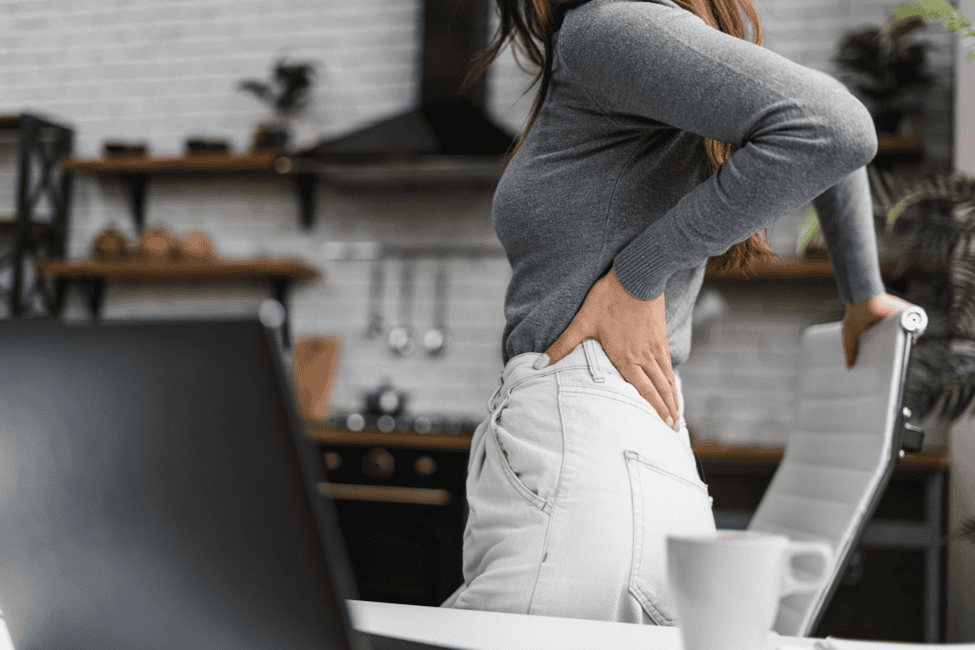
A tailbone injury might sound minor, but it can cause sharp pain and discomfort in daily life. The tailbone, or coccyx, is a small triangular bone at the bottom of the spine. When injured, even simple activities like sitting or bending can become difficult.
Understanding the common symptoms of a broken tailbone can help identify the problem early and seek the right treatment. Knowing what to look for can also prevent the injury from getting worse.
Causes of Tailbone Injuries
Tailbone injuries usually occur due to direct impact or pressure. Common causes include:
- Falling backward and landing on a hard surface.
- Trauma from sports or physical activities.
- Long hours of sitting on hard chairs without support.
- Childbirth, which can put pressure on the coccyx.
These situations can lead to bruising, dislocation, or even a fracture of the tailbone.
Signs You May Have a Tailbone Injury
Immediate Pain and Tenderness
One of the first signs of a tailbone injury is sharp pain at the base of the spine. This pain may be constant or flare up during certain movements. Tenderness is common when touching the lower back area. Even leaning against a chair can trigger discomfort.
Difficulty Sitting Comfortably
Sitting is often the most painful activity after a coccyx injury. Many people describe the sensation as sitting on a small, hard object. The pain usually worsens on hard surfaces and improves slightly when sitting on a soft cushion. Some may even prefer standing to avoid pressure on the injured bone.
Pain While Standing Up or Moving
Tailbone pain often becomes noticeable when transitioning from sitting to standing. Movements like bending, climbing stairs, or getting up from a low seat can feel challenging. The discomfort may spread to the hips, buttocks, or thighs.
Bruising or Swelling Around the Area
In some cases, visible bruising may appear near the lower spine. Swelling or redness can also develop depending on the severity of the injury. These signs often indicate trauma and should not be ignored.
Pain During Bowel Movements
Because the coccyx is located near the rectum, an injury can make bowel movements uncomfortable. Straining may worsen the pain. This is one of the less discussed but common symptoms of a tailbone injury.
Pain During Sexual Activity
For some people, tailbone injuries can cause pain during sexual activity. This happens because of the pressure placed on the lower spine and surrounding muscles. If the pain is severe or persistent, medical evaluation is recommended.
When to See a Doctor
Not every tailbone injury requires emergency care, but medical attention is important if:
- Pain is severe and does not improve with rest.
- You experience numbness or tingling in the legs.
- Swelling and bruising continue for weeks.
- Sitting or walking becomes extremely difficult.
A doctor may recommend imaging tests to check for fractures or dislocations. Early diagnosis can prevent long-term problems.
Treatment and Recovery
Treatment usually depends on the severity of the injury. In most cases, rest and simple care can help. Common treatment methods include:
- Using a cushioned seat or donut pillow to reduce pressure.
- Avoid sitting for long hours without breaks.
- Applying ice packs to manage swelling.
- Taking over-the-counter pain relievers.
- Practicing gentle stretches to ease stiffness.
- Strengthen core muscles to improve stability.
In more severe cases, physical therapy or medical procedures may be needed. Surgery is rare and only considered when conservative treatments fail. Living with tailbone pain can feel frustrating.
Small changes in habits can make recovery easier. Adjusting posture, taking breaks from long sitting periods, and using proper seating support can reduce strain. Staying patient and consistent with self-care speeds up healing.
Key Takeaways
- A tailbone injury can cause sharp pain, tenderness, and difficulty sitting.
- Signs include bruising, swelling, and discomfort during bowel movements or sexual activity.
- Medical attention is important if pain is severe or persistent.
- Treatment usually involves rest, cushions, ice, and gentle movement.
- Prevention comes from posture care, support, and caution during activities.