

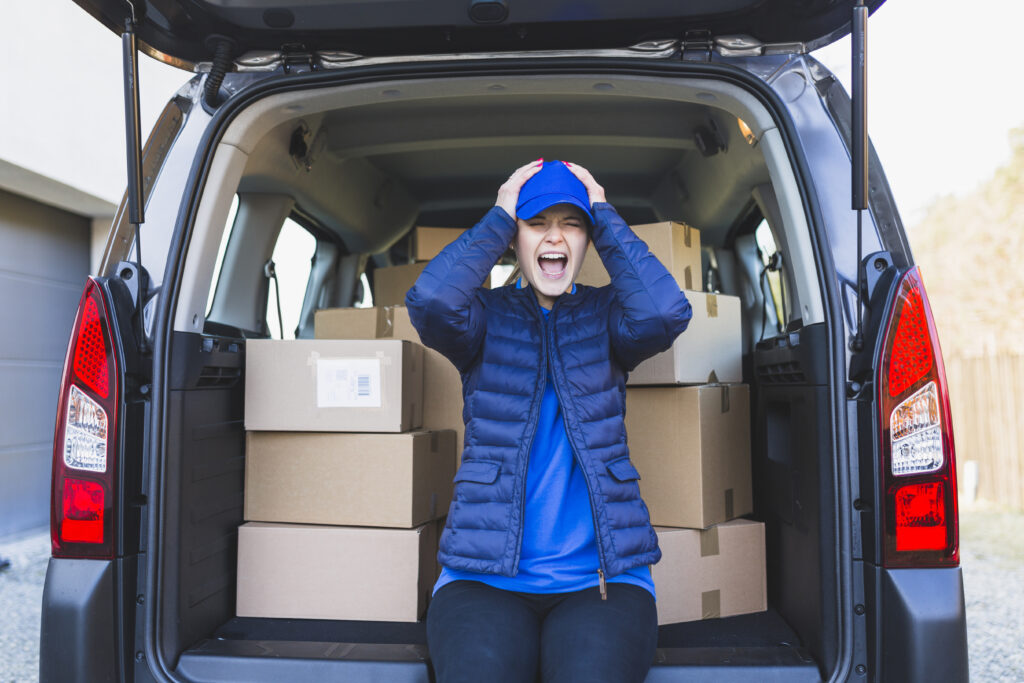
The rise of e-commerce has transformed the quiet streets of residential neighborhoods into bustling transit hubs for courier services. Every day, thousands of branded vans navigate narrow lanes to ensure that packages arrive on time. This surge in volume has placed an immense strain on the infrastructure of local communities.
Sophisticated algorithms now dictate the pace of work for every person behind the wheel. These digital systems calculate the most efficient paths to maximize the number of stops in a single shift. While this technology increases productivity, it often overlooks the human element of driving in a high stress environment.
The relentless pursuit of speed creates a dangerous atmosphere for both the couriers and the families living on these routes. When the pressure to meet a quota leads to a mistake, the consequences are often felt by innocent bystanders. Many residents now find themselves involved in Amazon delivery van accidents because of these systemic pressures.
The Operational Reality of the Delivery Service Partner Model
The logistics industry often relies on a network of independent contractors to handle the final stage of transport. These smaller businesses operate under the umbrella of a larger corporation but maintain their own staff and equipment. This structure is designed to provide flexibility while reducing the direct burden on the parent company.
This arrangement creates a complex layer of legal separation that can make it difficult to determine who is truly responsible after a crash. The smaller partners are often pushed to meet high standards with very limited resources. This tension frequently leads to gaps in safety training and vehicle maintenance protocols.
Liability often hinges on the specific language found in the contracts between these various entities. While the larger network provides the technology and the branding, they often attempt to distance themselves from the daily risks. Identifying the true source of negligence requires a deep dive into these corporate relationships.
Unique Hazards Found Within Residential Neighborhoods
Operating a large commercial vehicle in a neighborhood requires a level of caution that is far beyond highway driving. Streets are often lined with parked cars that create blind spots for anyone attempting to cross. The presence of children playing or cyclists commuting adds a layer of unpredictability.
Couriers must make frequent stops, which leads to a constant cycle of pulling over and merging back into traffic. This repetitive motion increases the likelihood of a collision with an overtaking vehicle. Every time a driver steps out of the van, they are entering a zone where distractions are common.
These areas were never designed to handle the volume of heavy traffic they now experience every afternoon. The narrow clearances make it difficult for large vans to maneuver safely without encroaching on the lanes of others. This environment demands a slower pace that the current logistics model rarely allows.
Rushed Driving Behaviors and High Quota Demands
When a driver falls behind schedule, the pressure to catch up often leads to aggressive habits on the road. Speeding through a school zone or ignoring a stop sign might save a few seconds, but it puts everyone nearby in danger. These choices are the direct result of unrealistic timing expectations.
Improper parking is another common issue when couriers feel rushed to complete a drop off. They might block a fire hydrant or obstruct the view of an intersection to save time. These small violations create a cascade of hazards for other motorists who are trying to navigate the street.
The mental fatigue that comes from constant monitoring and high stakes quotas reduces a person’s reaction time. A tired driver is less likely to notice a small child darting into the road. This cognitive drain is a significant factor in the rising number of collisions in suburban areas.
Sorting Through the Layers of Insurance Coverage
The insurance landscape for courier services is notoriously difficult to navigate after a collision occurs. There are often three or more different policies that might apply to a single incident. Determining which one is primary depends on the specific status of the driver at that moment.
The individual driver might have a personal policy, but it rarely covers commercial activities. The independent partner company maintains its own liability coverage to protect its business interests. Finally, the parent organization often provides a secondary layer of protection for certain types of incidents.
Victims must often wait for these various companies to stop arguing with each other before they can receive any help. This delay can be frustrating for someone who is facing mounting medical bills and lost income. Having a clear map of these coverage layers is essential for a successful claim.
Conclusion
Holding large scale delivery networks accountable for roadway safety is a necessary step for protecting local communities. The convenience of fast shipping should never come at the expense of the well being of the people on the street. Changes must be made to prioritize safety over speed.
The current system of independent partners and algorithmic routing needs more transparency and oversight. When a company profits from a service, they should also be responsible for the risks that service creates. Strengthening the legal standards for these couriers ensures that safety remains a top priority.
Achieving justice after a collision provides the support needed for recovery and sends a message to the industry. It forces a re-evaluation of the quotas and pressure that lead to dangerous driving. Protecting the safety of our residential streets is a responsibility that every logistics giant must embrace.