
Sustainable real estate is no longer a niche idea for a small group of eco-minded buyers. It is becoming a practical investment strategy for people who want properties that hold value, attract quality tenants, and stay resilient as energy costs rise and buyer expectations evolve. Green real estate simply means investing in homes and communities that reduce environmental impact while improving efficiency, comfort, and long-term livability.
If you are thinking about your next purchase, here are smart ways to invest in a sustainable future without treating “green” like a vague buzzword.
Why sustainable properties are becoming stronger investments
Green homes often come with built-in advantages that matter to both buyers and renters:
- Lower operating coststhrough better insulation, efficient HVAC, and smarter water use
- Higher comfortwith steadier indoor temperatures, cleaner air, and reduced drafts
- Greater market appealas more people prioritize energy performance and healthier living spaces
- Improved resiliencewhen power, weather, and utility costs become less predictable
Sustainability is increasingly tied to everyday economics. A home that costs less to run and feels better to live in can be easier to rent, easier to sell, and less expensive to maintain.
What to look for in a truly “green” property
Not every listing that mentions “energy efficient” actually delivers meaningful performance. When you evaluate a property, focus on upgrades that reduce waste and protect long-term value.
Building envelope and insulation
A well-sealed home is one of the best sustainability wins because it improves comfort and lowers heating and cooling costs. Look for quality insulation, modern windows, and evidence of air sealing. These improvements often do more than flashy gadgets.
Heating, cooling, and ventilation
Efficient systems matter, but so does proper sizing and installation. Ask about the age of the HVAC, maintenance history, and whether the home has modern ventilation that supports indoor air quality.
Water efficiency
Low-flow fixtures, smart irrigation, and drought-tolerant landscaping can reduce monthly costs and help future-proof a property, especially in regions where water use is closely watched.
Solar readiness and clean energy options
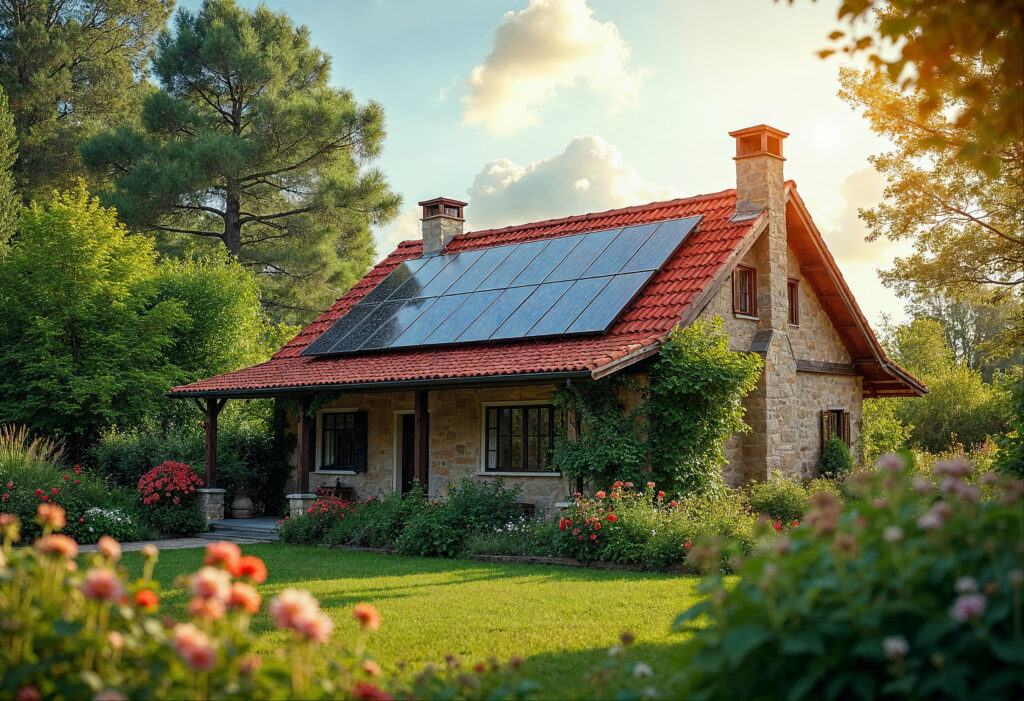
Even if solar is not installed, a roof with good orientation, minimal shading, and solid remaining lifespan can make future upgrades easier. Battery storage is also becoming more common in higher-end markets for backup power and stability.
Materials and durability
Sustainability includes longevity. Durable roofing, quality siding, and low-tox finishes reduce replacement cycles and improve long-term ownership costs.
How sustainable investing works in lifestyle markets
In destination and second-home areas, sustainability can add value in a slightly different way. Buyers often care about year-round comfort, reliable systems, and lower hassle. Efficient homes can be easier to maintain remotely and less prone to issues caused by temperature swings or seasonal vacancy.
In a mountain market like Park City, green features can align naturally with what people already want: better insulation, smarter heating, and strong building performance during winter conditions. That creates a practical overlap between lifestyle benefits and investment fundamentals.
Community matters as much as the house
Sustainability is not only about what is inside the property lines. Communities that prioritize thoughtful planning, open space, and long-term land stewardship can strengthen the investment story. Access to trails, walkability, and well-planned infrastructure can reduce car reliance and enhance daily quality of life, which supports demand over time.
If you are exploring a community where lifestyle and long-term value intersect, skyridge park city is a useful place to start learning about options in that area.
A simple checklist before you buy
To keep your decision grounded, run through these questions:
- What are the monthly utility costs, and what is driving them?
- Which upgrades are recent, and which will be needed soon?
- Does the home stay comfortable across seasons without overworking its systems?
- Are the materials and construction built for durability in this climate?
- Will the sustainability features make the property easier to rent or resell?
Investing in a sustainable future is investing in staying power
Green real estate works best when you treat it as a performance strategy. Focus on efficiency, durability, comfort, and long-term demand, not labels. When you buy a property that costs less to operate and holds up better over time, you are not only supporting a more sustainable future. You are building a stronger, more resilient investment.