

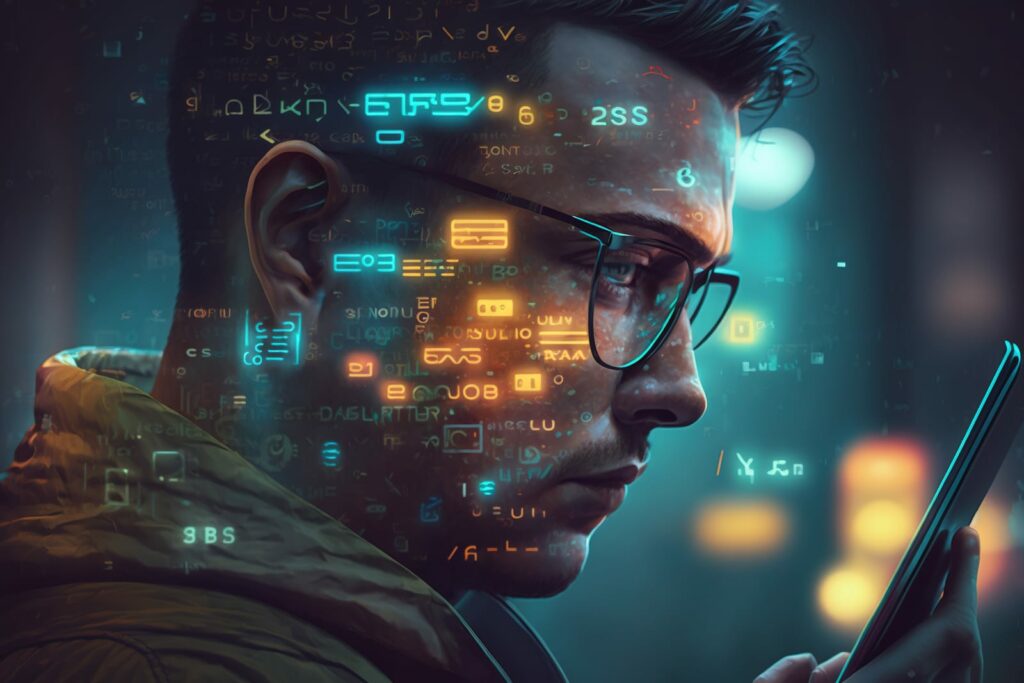

In today’s fast-paced digital landscape, content creation is more important than ever. As videos, podcasts, and advertisements increasingly dominate the online space, creators are constantly seeking ways to enhance their work. One breakthrough innovation that is transforming the media industry is synthetic voice creation. By using advanced artificial intelligence (AI), it’s now possible to generate custom, human-like voices for various applications, from video narrations to podcasts and ads.
The Evolution of Synthetic Voices
Synthetic voices are not a new concept. Early versions of this technology date back decades, used in text-to-speech (TTS) systems that sounded mechanical and unnatural. These early systems were often difficult to understand and had limited utility outside of simple accessibility functions. However, with advancements in AI, particularly deep learning and natural language processing (NLP), synthetic voice technology has evolved dramatically.
Modern synthetic voices are capable of mimicking human intonation, emotion, and even subtle speech patterns, making them nearly indistinguishable from actual human voices. This leap in realism has opened up a wide range of possibilities for content creators.
How AI Creates Synthetic Voices
The process of creating synthetic voices using AI typically involves training a machine learning model on large datasets of recorded speech. These datasets include not only spoken words but also the corresponding phonetic transcriptions, allowing the AI to understand the relationship between text and speech.
There are two main approaches to generating synthetic voices: concatenative synthesis and parametric synthesis.
- Concatenative Synthesis: This method involves stitching together pre-recorded speech segments. While it can produce realistic results, it often lacks flexibility, as it requires a large database of recorded voices.
- Parametric Synthesis: This newer approach relies on deep learning models like WaveNet or Tacotron, developed by companies like Google and OpenAI. These models generate voice waveforms directly from text input, enabling a more natural and fluid speech output.
AI voice models can also be trained to replicate specific voices. By using a relatively small sample of a person’s voice, these models can learn their unique vocal characteristics and replicate them across various contexts. This ability to create custom voices is particularly useful in media production.
Applications in Video Narrations, Podcasts, and Ads
Video Narrations
Synthetic voices are becoming a valuable tool in video production. Whether it’s for e-learning courses, explainer videos, or product demos, a well-suited synthetic voice can narrate scripts with clarity and consistency. AI-generated voices can be fine-tuned to match the tone and style required for specific videos, eliminating the need for hiring and coordinating with voice actors for every project. Additionally, they can easily adapt to multilingual formats, allowing creators to expand their reach globally.

Podcasts
Podcasts rely heavily on engaging audio, and synthetic voices offer a unique solution for podcasters who may not have the resources to hire a voice talent or want to experiment with different voices. With the right adjustments, synthetic voices can convey emotions and maintain the conversational tone that listeners enjoy. AI can also make the production process more efficient by providing faster turnarounds without sacrificing quality.
Advertising
In advertising, where conveying the right message in a short time frame is crucial, synthetic voices can be a game-changer. Custom voices designed for a brand can create consistency across multiple campaigns, strengthening brand identity. AI voices also provide flexibility, as they can be modified to match various ad styles—whether it’s an upbeat commercial or a serious public service announcement.
Advantages of AI-Generated Voices
- Cost-Effective: Hiring professional voice actors can be expensive, especially for small businesses or independent creators. AI-generated voices offer a budget-friendly alternative without compromising quality.
- Scalability: Once a synthetic voice is created, it can be used across numerous projects without additional costs or time spent coordinating with voice actors.
- Customization: AI-generated voices can be tailored to specific needs, allowing creators to adjust the speed, tone, and even emotion of the voice. This level of customization ensures that the voice aligns with the intended audience and message.
- Consistency: Unlike human voice actors, AI voices do not vary in quality or tone over time, ensuring consistent delivery across different projects.
- Multilingual Support: AI voices can be trained to speak multiple languages, making it easier for content creators to localize their productions for international audiences.
Challenges and Ethical Considerations
Despite the numerous advantages, synthetic voice creation is not without its challenges. One major concern is the ethical use of AI-generated voices. As the technology improves, the line between real and synthetic voices becomes blurred, raising issues around consent and authenticity. For instance, using a person’s voice without their permission or creating fake audio content can lead to significant ethical and legal problems.
Another challenge lies in ensuring that AI-generated voices maintain cultural and emotional sensitivity, particularly in advertising and global communication.
Conclusion
Synthetic voice creation using AI is revolutionizing the way media content is produced. From video narrations and podcasts to advertisements, AI-generated voices offer cost-effective, scalable, and customizable solutions for creators. However, as this technology becomes more widespread, it’s crucial to address the ethical implications and ensure responsible use.