


In the ever-evolving digital landscape, brands are constantly seeking innovative ways to engage with their audience and stand out in a crowded market. One of the most exciting advancements in recent years is Virtual Reality (VR) technology. By leveraging VR, brands can create immersive and interactive experiences that captivate audiences and enhance their social media campaigns. This article explores how VR technology can be used to develop compelling brand experiences and drive engagement on social media.
The Power of Virtual Reality
Virtual Reality immerses users in a computer-generated environment, creating a sense of presence and interaction that goes beyond traditional media. Through VR headsets or mobile apps, users can explore virtual worlds, interact with digital objects, and experience content in a highly engaging and realistic manner. This immersive quality makes VR a powerful tool for creating memorable brand experiences.
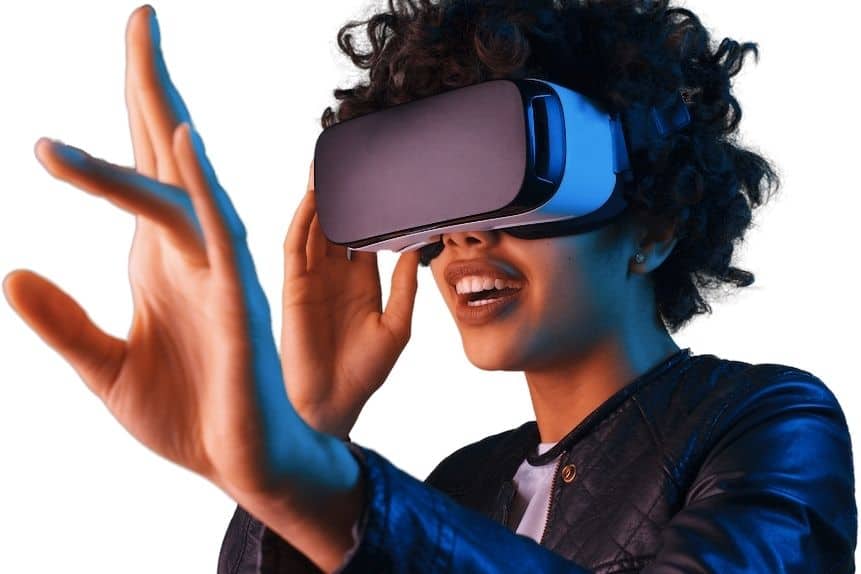
Creating Immersive Brand Experiences with VR
- Virtual Product Try-Ons
One of the most effective ways to utilize VR in brand campaigns is through virtual product try-ons. For example, a fashion brand can create a VR experience where users can “try on” clothes and accessories virtually. This allows potential customers to see how products look on them without having to visit a physical store. By integrating VR into social media platforms, brands can share these virtual try-on experiences, driving engagement and interest.
- Interactive Brand Environments
VR can transport users into interactive brand environments that showcase products or services in a unique and engaging way. For instance, a travel company might create a virtual tour of a destination, allowing users to explore popular attractions, accommodations, and activities. By sharing these VR experiences on social media, brands can offer immersive previews that inspire and attract potential travelers.
- Event and Experience Simulations
Brands can use VR to simulate events or experiences, giving users a taste of what to expect. This could include virtual product launches, behind-the-scenes tours, or interactive demonstrations. For example, a tech company launching a new gadget might host a VR event where users can explore the product’s features and functionalities in a virtual space. Sharing highlights from these VR events on social media can generate buzz and drive interest.


Benefits of VR for Social Media Campaigns
- Enhanced Engagement
VR experiences are highly engaging and interactive, encouraging users to spend more time with the content. Unlike traditional ads, VR allows users to actively participate and explore, leading to a deeper connection with the brand. This increased engagement can result in higher social media interaction, including likes, shares, and comments.
- Memorable Experiences
Immersive VR experiences leave a lasting impression on users, making them more likely to remember the brand. By offering unique and memorable interactions, brands can differentiate themselves from competitors and create a stronger brand recall. Sharing these experiences on social media amplifies their impact and reaches a wider audience.
- Increased Reach and Visibility
Social media platforms are ideal for showcasing VR content, as they allow brands to reach a broad audience quickly. By creating shareable VR experiences, brands can leverage their followers to spread the word and attract new users. This increased visibility can lead to higher brand awareness and interest.
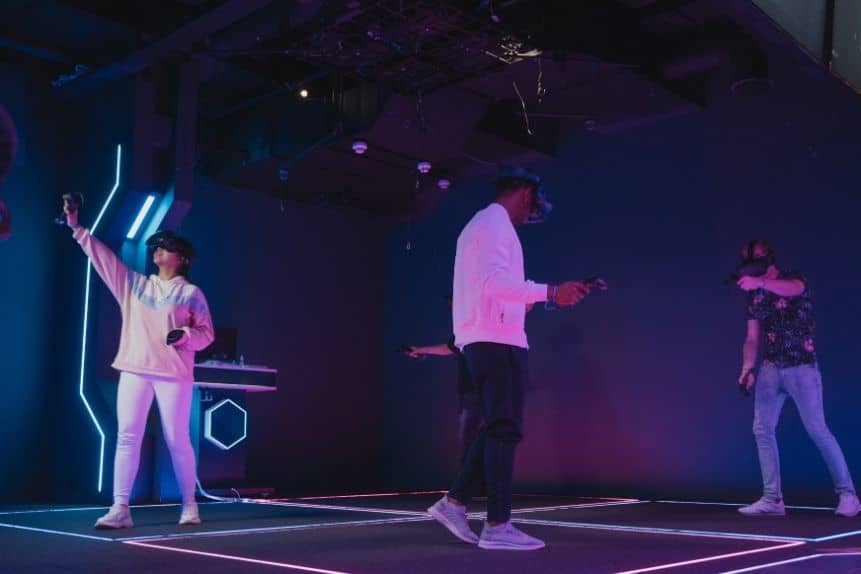
Implementing Virtual Reality Experiences in Social Media Campaigns
- Develop Compelling VR Content: Start by creating Virtual Reality Experiences that align with your brand’s objectives and resonate with your target audience. Focus on delivering interactive and immersive content that showcases your products or services in a compelling way.
- Leverage Social Media Platforms: Share VR content on social media platforms such as Facebook, Instagram, and Twitter. Use 360-degree videos, interactive posts, and live VR events to engage your audience and drive traffic to your VR experiences.
- Encourage User Interaction: Promote user interaction by encouraging your audience to share their VR experiences on social media. Create hashtags, contests, or challenges to incentivize participation and generate user-generated content.
- Measure and Optimize: Monitor the performance of your VR campaigns through social media analytics and user feedback. Use this data to refine your Virtual Reality Experiences and optimize future campaigns for better results.
Conclusion
Virtual Reality offers a transformative way to engage with audiences and create immersive brand experiences. By integrating VR technology into social media campaigns, brands can captivate their audience with interactive and memorable content, drive higher engagement, and increase brand visibility. As VR technology continues to evolve, its potential to enhance marketing strategies and deliver exceptional user experiences will only grow, making it an essential tool for forward-thinking brands.