

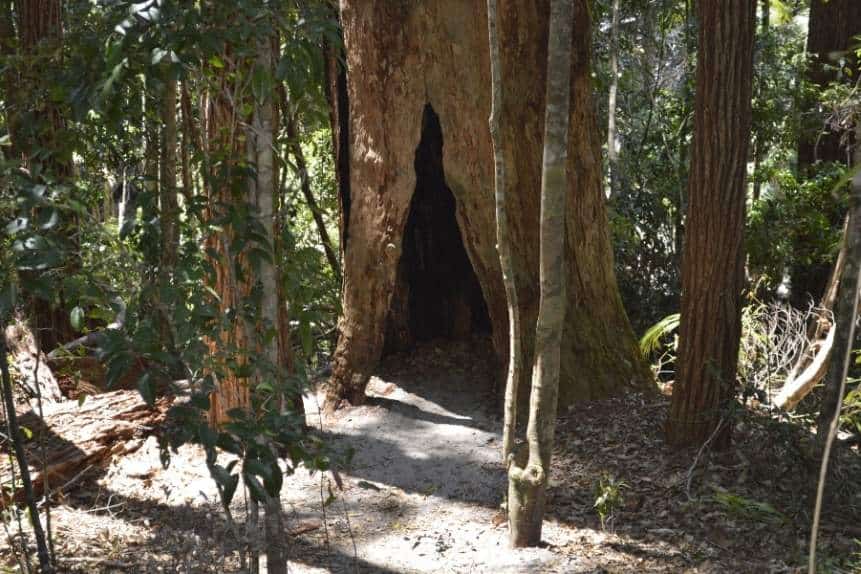
Indigenous eco-tourism combines sustainable travel with the rich knowledge and practices of indigenous communities that have long understood the importance of living in harmony with nature. It offers travelers the opportunity to immerse themselves in the culture, traditions, and environmental stewardship of indigenous peoples, while supporting their efforts to protect and conserve their natural environments.
The Role of Indigenous Eco-Tourism
Indigenous communities have coexisted with their natural environments for centuries, often developing sustainable practices that prioritize the health of the land, water, and wildlife. Many indigenous traditions are based on a deep spiritual connection with the environment, viewing nature not as a resource to be exploited, but as a living entity that must be respected and nurtured.
Indigenous eco-tourism provides an opportunity for visitors to learn about these practices firsthand, promoting greater awareness of conservation and sustainability. At the same time, it creates an economic pathway for indigenous communities to thrive, allowing them to share their culture while preserving their ancestral lands.
Sustainable Practices in Indigenous Eco-Tourism
One of the main features of indigenous eco-tourism is the emphasis on sustainable practices that minimize environmental impact and promote long-term ecological health. Indigenous guides often lead visitors through local ecosystems, teaching them about traditional methods of land management, resource use, and conservation.
Some key sustainable practices observed in indigenous eco-tourism include:
- Traditional Knowledge of Land and Water Management: Indigenous communities often use ancient techniques to manage natural resources, such as rotational farming, controlled burns, and sustainable fishing practices. These methods help maintain biodiversity, protect fragile ecosystems, and promote resilience against environmental changes. Visitors may learn about how indigenous groups manage their landscapes without overexploiting them.
- Low-Impact Accommodation: Many indigenous eco-tourism experiences offer accommodations that blend seamlessly into the environment. These may include eco-lodges built from natural, locally sourced materials that minimize energy and water usage. These accommodations often avoid harmful chemicals and emphasize renewable energy sources.
- Cultural Preservation: Indigenous eco-tourism supports the preservation of cultural practices that are closely tied to the environment, such as traditional crafts, storytelling, music, and ceremonies. Visitors can participate in activities that highlight how indigenous people have historically lived in harmony with their surroundings, gaining a deeper appreciation for their cultural and ecological wisdom.
- Wildlife Protection: Indigenous communities often have strong traditions of protecting wildlife, with many species playing important roles in their spiritual and cultural practices. Visitors may have the opportunity to participate in or observe conservation efforts that protect endangered species, including reforestation projects, wildlife monitoring, and habitat restoration.

Benefits of Indigenous Eco-Tourism
Indigenous eco-tourism offers several key benefits, both for travelers and the indigenous communities that host them:
- Economic Empowerment: By creating eco-tourism opportunities, indigenous communities can generate income from their natural resources without compromising the health of their environment. This economic empowerment allows them to protect their land from external threats such as logging, mining, and commercial development, while also improving access to education, healthcare, and infrastructure.
- Environmental Stewardship: Indigenous eco-tourism helps protect fragile ecosystems by raising awareness about environmental conservation and sustainable practices. Travelers leave with a deeper understanding of the role indigenous people play in conserving biodiversity, and they often become advocates for environmental protection in their own communities.
- Cultural Exchange: Indigenous eco-tourism fosters cultural exchange and mutual understanding between travelers and indigenous hosts. By experiencing local customs, traditional knowledge, and spiritual beliefs, visitors gain insights into alternative ways of living that prioritize sustainability and respect for nature. At the same time, indigenous communities benefit from increased visibility and respect for their cultural heritage.
- Conservation of Indigenous Land: Many indigenous communities face threats from deforestation, land grabs, and industrial development. Eco-tourism can be a powerful tool for protecting indigenous territories by generating income from sustainable travel, which encourages governments and other stakeholders to recognize the value of keeping these lands intact. Eco-tourism also creates a sense of ownership and pride within communities, empowering them to resist unsustainable practices.
Challenges in Indigenous Eco-Tourism
While indigenous eco-tourism offers numerous benefits, it also faces challenges. One of the primary concerns is ensuring that tourism development is community-led and respects the rights of indigenous people. Exploitation and cultural appropriation are risks when tourism ventures are run by external companies rather than indigenous groups themselves. Ensuring that indigenous communities have full control over tourism activities is essential for preserving authenticity and promoting equitable economic benefits.
Another challenge is maintaining the balance between welcoming tourists and protecting fragile ecosystems. As demand for eco-tourism grows, there is a risk that over-tourism could lead to environmental degradation. Indigenous communities must implement careful management plans to control visitor numbers and mitigate potential impacts.

The Future of Indigenous Eco-Tourism
As climate change and environmental degradation continue to threaten ecosystems around the world, indigenous eco-tourism will likely play an increasingly important role in global conservation efforts. Indigenous communities are at the forefront of protecting biodiversity, and their traditional practices offer valuable insights into sustainable land management.
Going forward, it is essential that the international tourism industry supports indigenous-led eco-tourism ventures, ensuring that the economic benefits remain within the community and that indigenous people are empowered to share their knowledge on their terms. This will help protect both indigenous cultures and the environments they have nurtured for generations.
In conclusion, indigenous eco-tourism is more than just a form of sustainable travel; it is a path toward learning from the environmental wisdom of indigenous peoples. By supporting these communities, travelers not only gain unforgettable experiences but also contribute to the protection of ecosystems and cultures that are integral to the health of our planet.