

Vomiting and nausea are typical symptoms associated with dizziness. Dizziness can be extremely uncomfortable and can alter your lifestyle. It\’s not usually a serious problem, however, it can be an indication of some other more serious problem. Dizziness can sometimes cause unsteadiness, which can lead to injury, therefore, it becomes very important the person feeling dizzy is provided with immediate first aid. Here are some first aid tips which can be very effective in dealing with dizziness.
Know the causes
 You can deal with dizziness effectively only when you are aware of the reason behind it. For instance, a hangover can cause dizziness. There are several other causes of dizziness like prescription medications or changes in medication, low blood pressure, and high blood pressure. Dizziness can also be a result of a drop in blood pressure caused by a change in body position. Similarly, when the sensory input to the eyes is too fast, then also you may experience dizziness.
Dizziness can be a symptom of other diseases as well. Anything that affects the inner ear can lead to dizziness. For instance, dizziness can be an indication of a benign tumor that may be present on the acoustic nerve. This nerve connects the brain to the inner ear. The inner ear is responsible for maintaining the balance of your body and that is why something as simple as an ear infection can cause dizziness. Dizziness can also be caused by stroke, Meniere’s disease, and multiple sclerosis. Dizziness from hyperventilation occurs during an anxiety attack or panic attack.
Keep your balance
The triggers which can stimulate dizziness vary from person to person. For instance, for most of us, washing hair in the shower may not be a big deal, however, for some people this turns out to be quite an uncomfortable experience, they feel dizzy and have to grab the wall for support. The sensory nerves, visual signals, and the inner ear assist the sensory system in balancing your body. If one of the systems goes haywire, then the other two systems compensate for it.
The type of dizziness which you will experience depends upon the system that fails. Vertigo is caused by the inner ear and sensory nerve disruption. If anything like this happens with you, then your first instinct should be to get the support from the nearest stable object. Maintaining your balance should be your first priority while dealing with dizziness because if you lose your balance, then you are certainly going to end up with injuries.
Don\’t panic
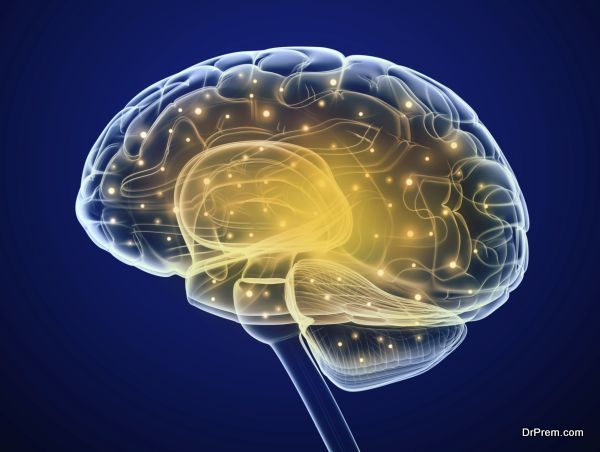
Dizziness ensues because of the interruption in blood circulation to the brain. During this time you may be unsteady, feel lightheaded, lose your balance or feel as if the room is spinning. In most cases, people have observed that dizziness resolves quickly without any sort of medical attention. It may be possible that some serious medical conditions are also accompanied by dizziness, however, what’s more important at the moment is that you should be able to control your nerves. You will certainly land in further problems if you start to panic as your breathing pattern becomes shallow, which may induce hyperventilation. This reduces the supply of oxygen to your heart and brain because of which the sensations of dizziness get even more intense. So, one of the most effective first aid tips to deal with dizziness is to remain calm and composed.
Shake off temporary dizziness and hydrate your body
A sudden movement or change in the position of your body may disturb the equilibrium of the inner ear. If such a thing happens to you, then you can ‘reset’ the equilibrium by shaking your head three to four times. However, if this happens frequently, then try to change your posture slowly so that your body gets enough time to get acquainted with the new position.
Dehydration also leads to dizziness, so drinking sufficient amount of water can also get you relief from dizziness. On average, you must drink 8-10 glasses of water every day. The amount of water required for active individuals is even more. Your body experiences dehydration because of ailments such as vomiting or diarrhea.
However, drinking enough water alone cannot shield you from dehydration, you even need to take care of the minerals and electrolytes that your body demands. Powdered drinks and smart water which contains electrolytes and minerals can take care of these requirements. Staying hydrated is one of the best first aid tips to deal with dizziness.
Natural herbs
 Before the advent of the first aid tips to deal with dizziness, ginger has always been the traditional treatment for dizziness. People consider ginger as the best bet against dizziness in modern herbal remedies. They provide as first aid because the body reacts quickly to this herb. The herbal ginger preparations help to beat back sudden dizziness as its remedial effects can be felt within minutes following consumption. Some studies have even revealed the fact that ginger is more effective than most of the over-the-counter medications for dizziness.
Ginkgo biloba is another herb which can provide instant relief from dizziness and other uneasy symptoms accompanying it. According to Mayo Clinic, this herb remedies dizziness by boosting the blood flow to the brain. However, Ginkgo biloba can reduce the capacity of the blood to clot, so we’ll suggest consulting your doctor before taking this herb.
Medications for dizziness
The over-the-counter medications available for getting instant relief from dizziness are Dimenhydrinate. Medical shops typically sell them as Dramamine or Driminate; Meclizine, which they typically sell as Antivert, Dramamine II, Bonine or Meni-D; and Diazepam, which they sell as Valium. Dimenhydrinate treats and prevents dizziness, nausea, and headaches. However, there are certain side effects associated with it. These are a fast or irregular heartbeat, trouble urinating, and restlessness, blurry vision, and difficulty in sleeping. Meclizine is also very effective in proving instant relief.
Diazepam also treats anxiety and eases the symptoms associated with alcohol withdrawal such as agitation, hallucinations, and shakiness. This, in turn, provides relief from dizziness. But, meclizine and diazepam also have some side effects, such as skin rash, nightmares, and drowsiness. So, medical experts recommend that you have a word with your physician before taking these medications.
Vitamins for dizziness are one of the best first aid tips for dizziness
 The deficiency of vitamin B12, vitamin B6, and vitamin D is associated with dizziness. The main function of these vitamins is to maintain a healthy nervous system. Vitamin D is vital for your ear health. The inner ear starts functioning abnormally when there is a shortage of vitamin D inside the body. In order to get relief from dizziness, it is very important that your diet is rich in these vitamins.
To understand how to apply first aid tips to deal with dizziness, it is crucial to understand and resolve certain myths about the same. Read on to more about the myths related to dizziness and how these myths are decoded.
9 myths about dizziness
Dizziness may be a result of multiple activities, causes may be a variety of things. Sometimes dizziness may need serious medical attention too. It is extremely important to know exactly what is causing the dizziness for a proper diagnosis. Here are the popular myths about dizziness along with their facts.
Dizziness is the first signal of stroke
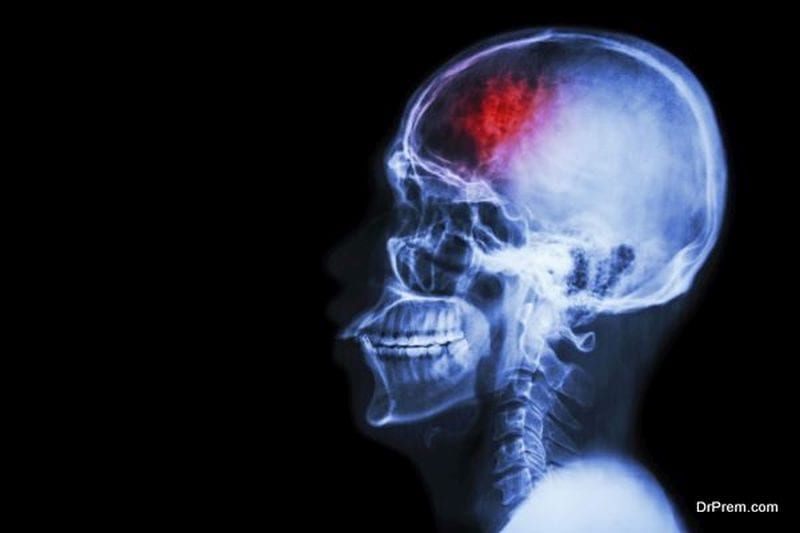 Feelings of dizziness are often associated with stroke or heart attacks. The myth stems from the fact that a person on the verge of a heart attack, in certain cases, may start by feeling a bit tired or light headed before maturing to larger consequences. However, it would be wrong to presume that dizziness is the only symptom of heart attacks. In a majority of cases, people having a stroke are even unaware of such a thing taking place. A feeling of numbness spreads through his/her system before the person finally succumbs to a stroke. The medical community, however, is of the opinion that dizziness in a patient with high blood pressure should be addressed with utmost concern. According to them, the patient or his family should get in touch with a doctor right away before things take a turn for the worse.
Feeling dizzy means you have vertigo
A majority of people wrongly presume that dizziness and vertigo are one and the same. While it cannot be denied that there is a strong connection between the two, yet vertigo and dizziness are separated by a thin line of medical connotations. Dizziness is a general term used to describe feelings of light-headedness. Vertigo, on the other hand, stands for a specific medical condition where people can feel the surroundings spinning about them. The medical community does not see dizziness as a malady or disease. It is rather a symptom which signals the occurrence of various diseases or medical conditions. Vertigo, on the contrary, is classified as a particular condition which, in extreme situations, may require treatment or strict medical surveillance.
Dizziness will lead to loss of consciousness
 One of the most talked about myths of dizziness is that the feeling can make you feel faint or lose consciousness. The myth is generally believed to have been triggered by examples of cases where people who started out with a dizzy feeling fainted after some time. In reality, however, only those who cannot check their hyperventilation will faint. Hence, it is quiet likely that once you know the truth, you won’t feel like passing out each time dizziness appears. Dizziness is a sensation primarily triggered through hyperventilation. Therefore, the only solution for dizziness is to breathe slowly. And in case you would rather not take our word for it, then go consult a doctor right away. Even they are of the same opinion as us when it comes to debunking the mythical relationship between dizziness and fainting.
Dizziness is caused by a chemical imbalance
All claims that feign a strong connection between chemical imbalance and dizziness are only partially true. The myth was vented through observations that branded dizziness as the obvious outcome of certain chemical imbalances in the brain. However, it should be remembered that dizziness occurs because of a variety of factors, of which faulty blood circulation is only one. You can feel dizzy after neurological diseases or injuries affect you. In fact, medical experts can also cite allergy as one of the main reasons behind dizziness. Hence, when it comes to detecting the real causes of dizziness, all the above factors come into play.
Dizziness is a signal that you may be going crazy
 Of all the myths associated with dizziness, the one that connects it to mental irregularities or craziness is probably the “craziest”! After all, there is nothing “mental” about feeling dizzy. The condition takes place primarily when your brain is not receiving the amount of blood circulation it should, or when you have been seriously affected in an injury. There are other factors like neurological diseases or allergies that play an equally important role in triggering feelings of dizziness. Psychology has a role to play in so far as the person feeling dizzy starts making exaggerating presumptions about the seriousness of his/her condition. The medical community has time and again tried to their best to dissuade people from believing in such mythical stories circulating around feelings of dizziness.
Dizziness comes with age
Dizziness has got nothing to do with growing age. There are a plethora of causes and age figures nowhere among them. However, it needs to be borne in mind that dizziness is virtually abnormal at any age. According to doctors, you should seek immediate medical attention the moment dizziness surfaces. However, remember that dizziness which one-quarter of the adult population faces. Fatigue is one of the major factors causing dizziness among adults. Hence, age has little or no role to play here. In dealing with dizziness, the best thing to is to avoid activities that trigger fatigue or tiredness.
Anxiety causes you to feel dizzy and relaxation will cure it
 Relaxation can certainly help ease the tension to some extent, yet it should never be considered a full-grown solution. Anxiety is not the only factor that causes you to feel dizzy. In certain cases, where a person suffering from dizziness-related maladies like vertigo becomes anxious, doctors can link the occurrence of vertigo to anxiety quite easily. Instead of thinking that the feeling of dizziness is only in your head, or that anxiety triggered it, consult a doctor right away. We often lose time associating dizziness with petty things. However, in extreme situations, even the slightest delay can cost you dearly.
Dizziness stems from hormonal imbalance
There can be nothing more illogical than looking for common connections between dizziness and hormonal imbalance simply because there aren’t any. Hormonal imbalance stems from a myriad of causes. However, such imbalances are least likely to produce dizziness. Hormones are chemicals that help our bodies function normally. Hormonal balances are directly or indirectly influenced by neurotransmitters. The slightest imbalance in neurotransmitter levels affects the functionality of hormones. This is when we start feeling depressed or suffer from lack of energy. Now, a person undergoing depression is likely to feel dizzy at times. The feeling of light-headedness, in this case, comes from depression and has nothing to do with the hormonal reactions taking place inside a person’s body.
Dizziness is an obvious symptom of pregnancy
 In the Indian subcontinent, people often consider dizziness as a common symptom of pregnancy. Women in their first trimester often experience dizziness or nausea. However, it does not necessarily mean that anyone can link dizziness to pregnancy. In rural India, where such presumptions are rampant and where women, after marriage, settle for a life of domesticity, dizziness may stem from fatigue or long exposure to hot and humid conditions in the kitchen. In detecting pregnancy, dizziness is not the only symptom one should ideally look for. Several other factors such as food cravings, frequent urination, missed periods, morning sickness and sudden tenderness of breasts play an important role here.