

Australia’s fire season started early and 2019-2020 bush fires were the worst the country has ever seen. The government had to declare emergency in November of 2019. The devastating fires destroyed an area approx. 25.5 million acres, killing 33 people, including volunteer firefighters, and more people are missing. Homes have been destroyed. The summer was the hottest on record, and winds fanned the fires making them uncontrollable. Over a billion animals and birds, insects and reptiles have been killed, bringing some species to the verge of extinction. Let’s take a look at the environmental impact of Australian bushfires:
Unprecedented environmental impact of Australian bushfires
The bushfires started in September 2019 and killed many, ruining towns and rural areas, and by January, more than 15 million acres of land had been burned, and the time it was declared ‘contained’ in February 2020, the area burnt was even bigger. Here’s how the bushfires impacted the environment:
1. CO2 emissions
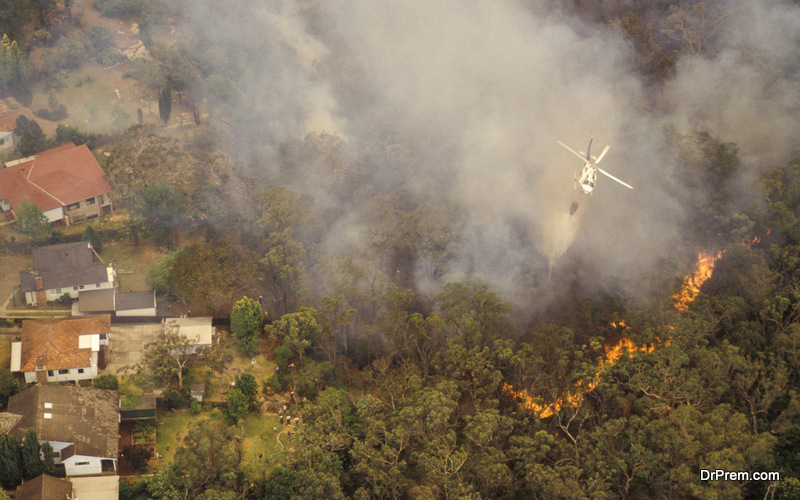 The raging bushfires caused untold damage to the environment and humans. It is estimated that the fires released approx. 400 million tons of carbon emissions into the air. This is about 2/3rd of Australia’s annual emissions in 2018-2019, according to data from NASA. Shockingly, the Australian fires carbon emission might take more than 100 years for forests to absorb.
Climate change has likely made the bushfires more intense and added to the severity by elongating the duration of the fires. Earlier, Australian forests were able to achieve net zero emissions released by the bushfires which happened in the summers. But due to global warming, the bushfires are intensifying and contributing to the global warming phenomenon, creating a worrying climate feedback loop.
2. Hazardous smoke choked animals and people
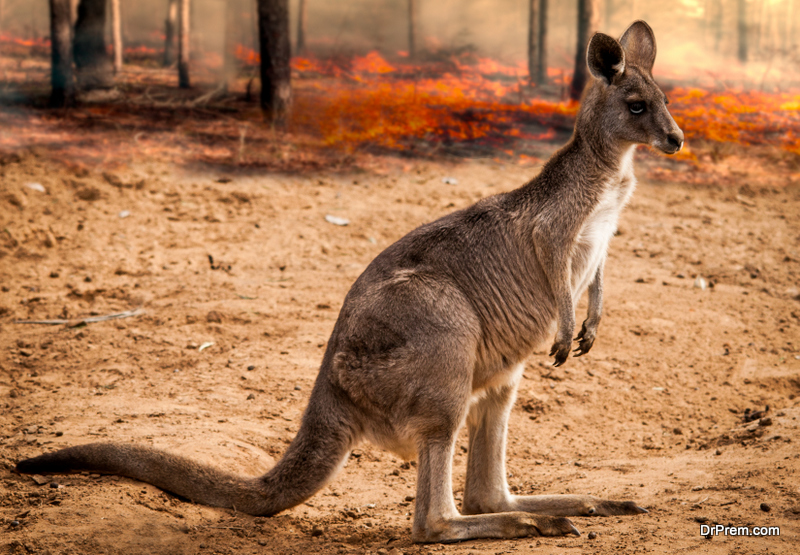 The smoke from the fires has engulfed many heavily populated areas, such as Melbourne, Sydney and Canberra. The quality of air in places such as Canberra was 20 times higher than the hazardous levels, leading to the shutdown of businesses, restaurants, museums, government departments and childcare centers. The Australian fires carbon emission is the biggest ever in less than one year.
Plumes of dust, ash and smoke were visible even from space, and drifted east to New Zealand, raveling thousands of kilometers. The skies turned orange and even the glaciers turned brown in color.
The thick, black layer of air pollution and smoke which stemmed from the bushfires, brought down the air quality of cities such as Canberra to the worst in the world. Wildfires result in fine particles and
hazardous gases which irritates the eyes as well as the respiratory system. Not just irritation, but serious chronic diseases can occur as a result of this pollution, such as bronchitis, asthma and premature death.
Elderly people, people who have cardiorespiratory diseases, people who work or spend a lot of time outdoors and children are at risk. The Australian fires carbon emission will also have a negative impact on the health of people.
According to the World Meteorological Organization, the smoke might have reached Antarctic, crossing the Pacific Ocean. It has affected New Zealand and some cities in South America, Chile and Argentina.
3. Impact on wildlife
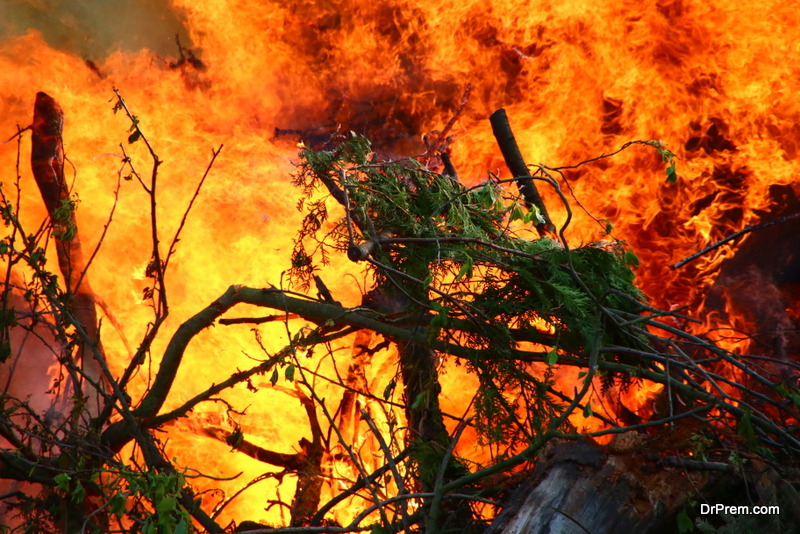 The most distressing and disturbing fallout of the bushfires was the billion mammals, reptiles and birds who lost their lives. Koalas, one of the most recognizable species from the country has been hard hit by the fires. On the Kangaroo Island, 25,000 koalas are supposed to have perished, and in New South Wales, one third of all the koalas were believed to be dead. 30% of their habitat has been destroyed.
Wildlife extinction on a large scale has occurred in just three months. Australia has the highest rate of mammal extinction in the past 200 years. The bushfires have impacted the unique ecosystem of Australia which might lead to a survival crisis in many of the 244 species Australia is home to. The Department of Agriculture, Environment and water has listed 113 animals’ species, including the platypus which need help urgently.
The full impact on wildlife will be known only in the coming years. There are some species which live in forests which have stood for millions of years, and which have not adapted to fires. Along with the millions of years old vegetation, the wildlife in those forests will not be able to survive either, if their natural habitat is completely burnt.
4. Colossal damage to native flora and fauna
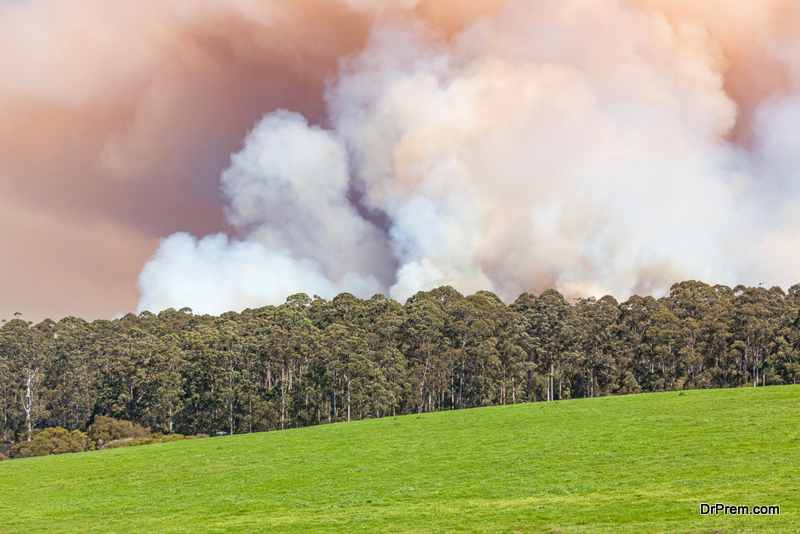 The damage to environment and fauna was tremendous. The animal’s death count was close to half a million fauna is suspected to have perished from the blaze, lack of water, shelter and food, as well as the risk of predation. Adding the millions of bats, frogs and insects brings the total count of fauna which did not survive the bushfires to about billion. The megafire killed and displaced fauna and flora which will be irreplaceable. Furthermore, since forests are among the most sustainable solutions to global warming, their destruction would further intensify climate change in the coming years.
The sight of the suffering animals shocked the world and demonstrated how nature can be volatile and beyond human control. As climate change was deemed to be one of the factors for worsening the blaze and causing an unbelievable animals death count, people all over the world could, for the first time, see how global warming and climate change could be responsible for disasters at such a humongous scale.
5. Agricultural impacts
 The bushfires did not only destroy forests, they also scorched pastures, killed livestock and razed vineyards. The ongoing drought in Australia will make recovery and regrowth a challenge. Dairy supply will be hit hard, as the two main milk producing states, New South Wales and Victoria suffering the biggest loss of farmland, grazing land and infrastructure damage. Honey, wool and meat production might also be adversely affected.
IPCC, the Intergovernmental Panel on Climate Change found in their 2019 report that climate change has already impacted the agriculture industry and food security due to the global warming, change in precipitation patterns and the increasing frequency of certain weather events. In some of the dryland areas, the increase in the surface air temperature, evapotranspiration, decreased amount of precipitation while interacting with the climate change/variability as well as human activities has led to desertification. Australia is one of the drylands which has been impacted, thus reducing rainfall, and making it hard for farmers to recoup.
Pollution: biggest environmental fallout
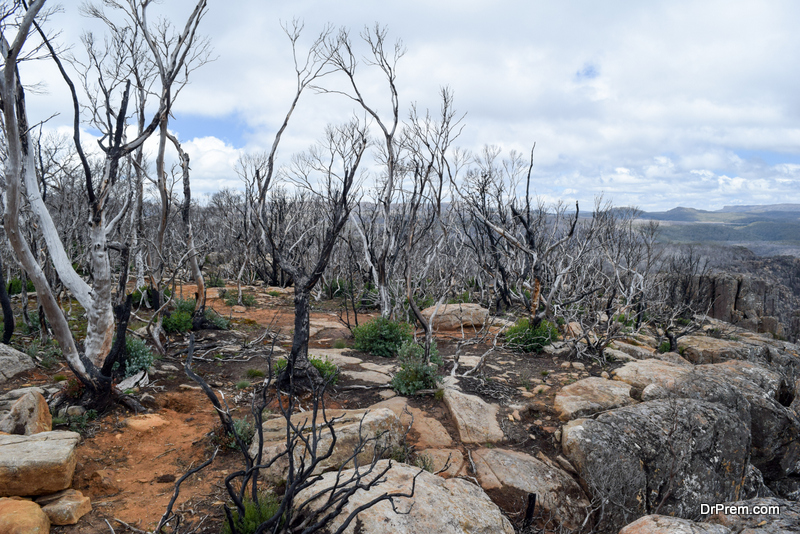 Pollution is the biggest fallout of the bushfires. The ash from bushfires has ended up in all places including school playgrounds, backyards, beaches, water catchments and freshwater stores. The water catchments for drinking water are in forested areas, usually, and thus are susceptible to pollution from bushfires. Ash from bushfires contains nutrients such as phosphorus and nutrients which might stimulate the growth of blue-green algae. These algaeproduce chemicals which cause severe water contamination.
The burned soil can reach the rivers, streams and oceans, providing more nutrients for the algae and other water plants to flourish. These use up the oxygen, causing the death of fish as well as other kinds of marine life. Smoke also has a negative impact on the marine ecology, as could be deduced from recent events similar to the Australian bushfires. The haze from the 1990s Indonesian wildfire killed the coral reefs, which were choked by a boom in plankton.
What is the role of climate change?
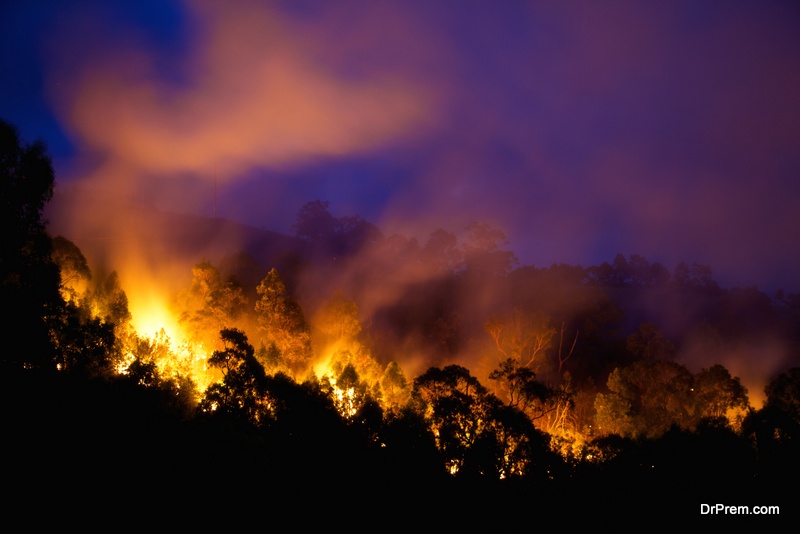 Australia has the same type of climate as California, which is hot and dry. Both the places bear the brunt of bush fires every year. In Australia, the Eucalyptus forests have unique relationship to fires, the trees depend on the bushfires to release the seeds.
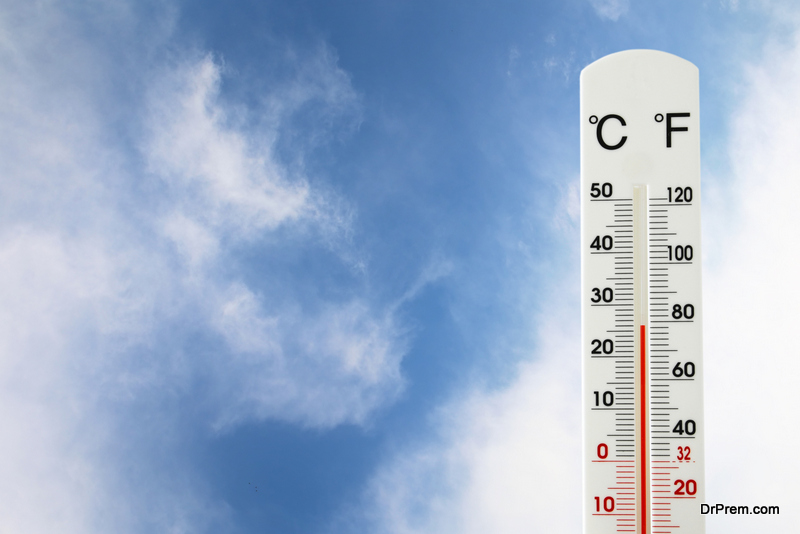
The fires of 2019-2010 were unprecedented. The fire season started early, and the fires got very big, very soon. Weather conditions have always influenced the bushfires, as it is in the hot, dry season when the fires occur. In 2019, Australia had the hottest year ever, 41.9 degrees Celsius. The extreme drought and heat provided the impetus to the fires. The high intensity as well as the frequency of the wildfires were in line with the warnings of the scientists for a continually warming world.
The fires have been called an example of climate change by the ecologists and environmental scientists in Australia, who are now asking to be made a part of policymaking on environmental issues. People have taken to the streets to protest against the subsidies given to fossil fuels and demanded action on the issue of climate change.
Bushfires are not a new phenomenon in Australia, but earlier they could be controlled. As Australia is among the largest emitters of GHGs, this has led to the warming of the stratosphere, leading to
extremely dry conditions which fueled the fires. The country (and the rest of the world) must take necessary preventive measures to reduce emissions and put a halt to global warming, so that the intensity and frequency of bushfires reduces.