

Water plays a critical role in many aspects of our daily lives. Sure, you need it for drinking, but you also need it for washing dishes, cooking, washing clothing, showering, and cleaning. However, it is equally important that the water you use doesn’t harm either you or the environment in any way. Many homes in the U.S. have what the U.S. Geological Survey (USGS) calls ‘hard’ water, meaning that it contains minerals such as calcium and magnesium. This isn’t the complete problem. Since the hard water is not ideal for domestic use, we are supposed to add certain chemicals to the water to make it so. Water softeners usually include harmful chemicals. Therefore, it is necessary that we assure that we use only eco-friendly water softeners.
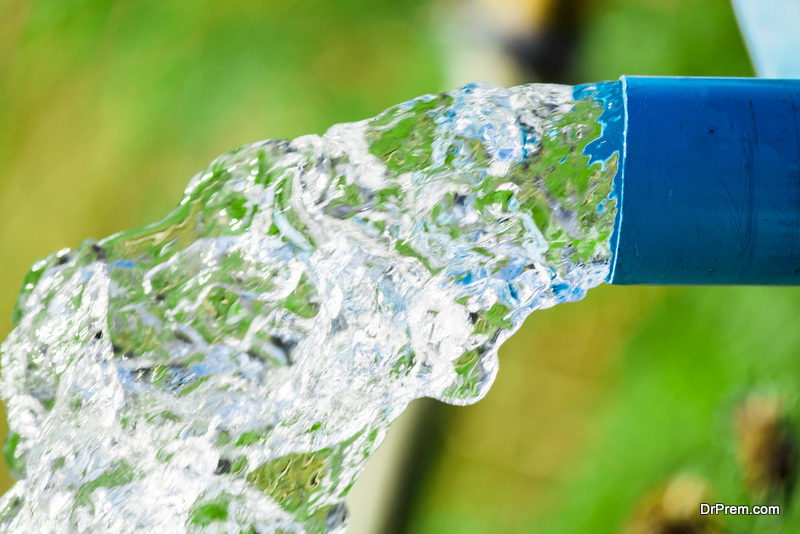 As we pull groundwater from aquifers and other sources for use in our daily lives, it picks up soluble forms of minerals that is passes through. Harmful contaminants are usually eliminated during water treatment, but others minerals continue on to your home. The end result can be nuisances such as:
- Dishes covered with spots after coming out of your dishwasher
- A white ‘film’ on the shower curtain, doors, and tile
- Clogged pipes or damaged heating elements on appliances
- Clothing that fades and doesn’t look as clean
- Dry, itchy skin or dull and lifeless hair
Solving the Hard Water Problem
While you can’t control the level of minerals in your water (that is determined largely by where you live), you can eliminate those minerals by purchasing a salt free water softening system. There are two basic types of these water softeners—those that use salt and those with UV protection.
1. Salt-free Water Softeners
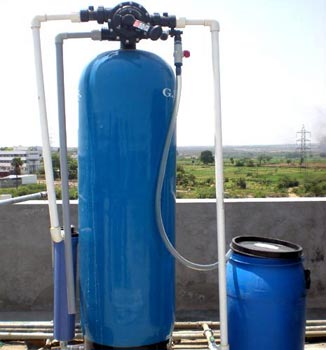
Salt-free systems work by lessening the surface tension on the water, turning calcium and magnesium into crystals that can’t attach to any surfaces. These are gaining in popularity because they offer several benefits:
- There’s no electricity required to run the system
- No wastewater created, thus less potential environmental impact
- No need to purchase and refill salt on a regular basis
- Keep potentially beneficial minerals in your water supply without the negative effects
- Flush existing hard water deposits out of your pipes and appliances
- No slippery feeling that many people associate with salt-based water softeners
2. Salt-based Water Softeners With UV Protection
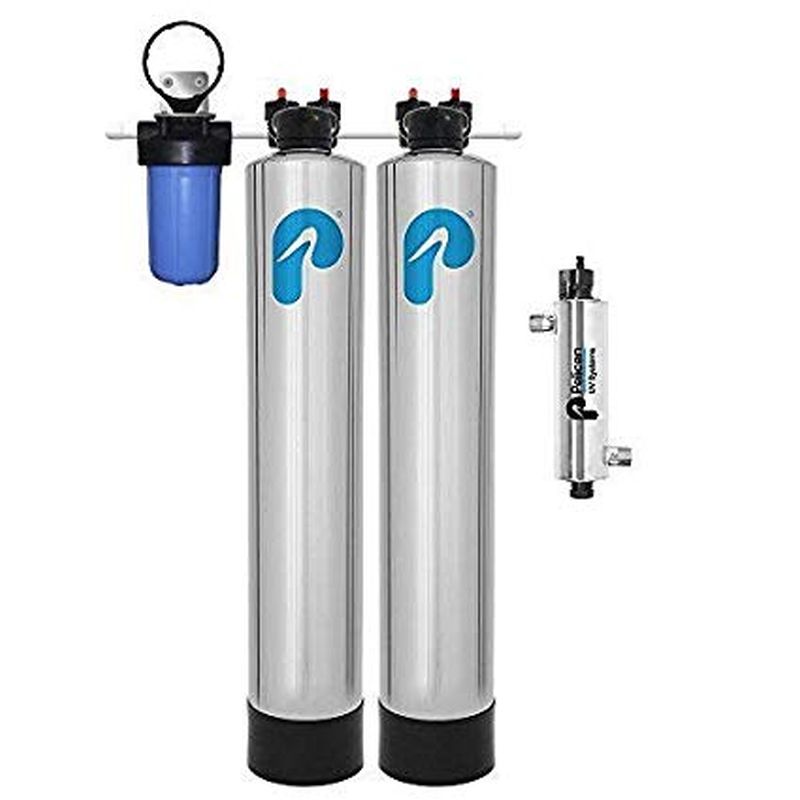
Without the use of harmful chemicals UV disinfection provides protection from potentially harmful and even ill born water causing bacteria. It destroys bacteria, viruses, and other pathogens by exposing the water to ultra violet light preventing them from reproducing. This safe and natural disinfectant does not affect the smell, color, or taste of the water and is easy to install and maintain.
Not the Same as Purification
The difference between water softening systems and water filtration or purification systems confuses many people. While water softeners do treat your water, they do not remove contaminants such as chlorine. If you are looking for a system that provides you with cleaner, fresher, and better-tasting water, a purification system is what you need. For many homeowners the best solution is a whole-home system that combines the benefits of water softeners with those of water purification.
Don’t wait any longer while hard water deposits fill the pipes in your home, damage your appliances, and leave that hard-to-remove film on your showers and sinks. Consider all the benefits that a water softening system can provide for you and your family today.
How Water Softeners can be harmful
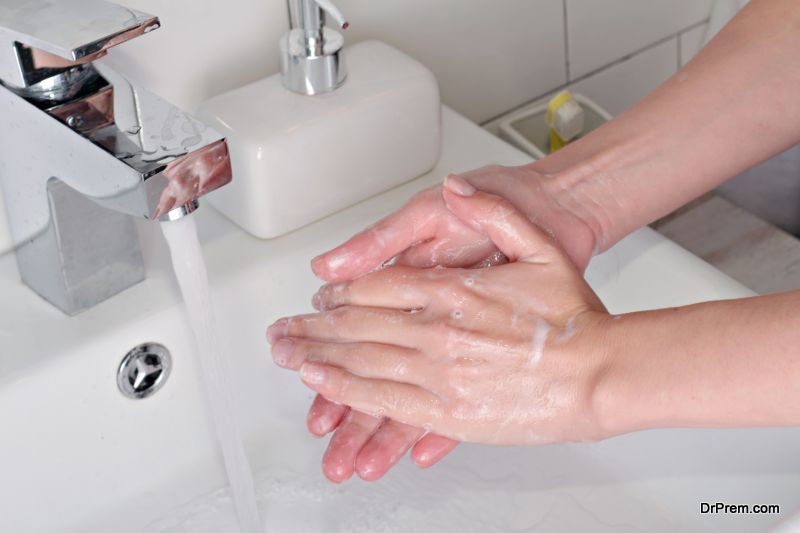 Think Again Before Using A Water Softener. Hard water problems used to be a non-issue. But with concerns about chlorine effects, biological contamination, pharmaceuticals in water supplies and even naturally occurring substances that degrade water quality, people are thinking about the quality of their water more than ever. Hard water is also rough on your skin, your appliances, and your cleaning routine.
Water softeners are the quickest solution to this problem, but if you look at the far-reaching effects of these systems and the challenges they create for the environment, you might start thinking differently about how to soften your water.
Problems associated with water softeners
1. Damages your garden
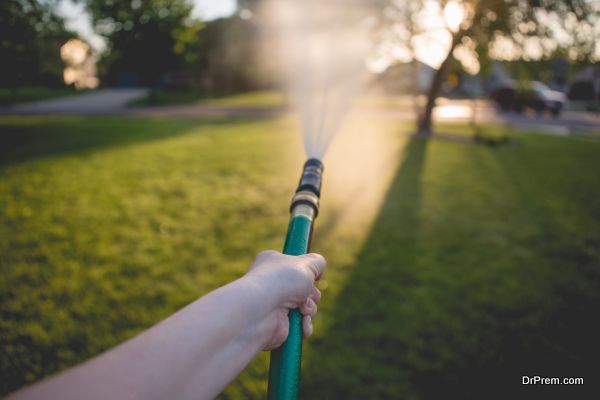 If you use softened water on your landscape and plants, overtime the salt will build up and eventually kill your plants. And if you live in a locality that doesn’t get rainfall often, the salt will not percolate deep into the soil for dilution. High concentration of salt will also decrease oxygen levels, causing the soil to swell. This means your plants won’t get enough nutrients to their roots, so they die. Alternatives to water softeners would be a better option since they do not use salts, thereby promoting the health and longevity of your plants.
2. Environmental harm
 There’s usually an issue of environmental damage with cities using water softeners. Sometimes the salt from the water is discharged into oceans and local streams, which can have detrimental effects on the aquatic life (plants and fish that live in the water). Water softening systems further deposit salt in the wastewater from everyday water consuming activities. High salt concentration overtime impedes your area’s agricultural system, preventing growth of new plants.
In this regard, water softener alternatives for treating hard water contribute to the environment. According to LifeSource Water Systems, modern water softener alternatives add nothing to water, and do not pollute fresh water resources. They also reduce the need for bottled water, the production and transportation of which consume large amounts of water and energy.
3. Waste water
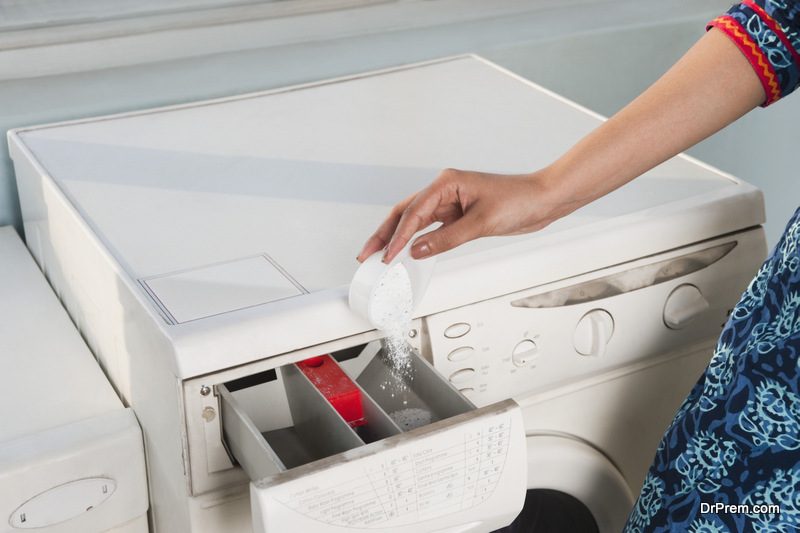 Salt-based softeners might have some benefits, sure, but they are water wasters. While you may save money on replacing appliances and detergents, you will consume more water with a water softener. Here’s why: compacted soil runs off faster than its porous counterpart and does not absorb enough water, so you will need water more often for similar results. Also, you will have to regularly water the soil to push the salt deeper to leach it to the surface and flush away. While this method is effective for removing the salt, it requires more water and may end up removing essential nutrients from the soil. As mentioned before, modern alternatives to water softeners can help prevent water wastage.
Over to you
Using water softening system alternatives, you can get the same quality of water, but you stop endangering your environment by charging salt into water tables. In fact, removing the need for salt even saves you money as you contribute to the environment. Using an environmentally friendly water softening system also makes it easy to recycle your tap water. By doing so, you can significantly reduce your water consumption (and utility bills). Not only that you would do that without giving up on water quality for your household.